The History of Google Glass

Welcome to The History of Google Glass, presented by Glass Almanac! We’ve collected all the dates and events that are important milestones since Google announced “Project Glass” in April, 2012. You can use the arrow buttons to navigate from section to section (the buttons appear at both the top and bottom of every screen). Enjoy! And if you’re new around here, be sure to connect with us and stay in touch.
April 4, 2012: Google Announces “Project Glass”
This is the day it all begins. Google creates a Project Glass account on Google+ and shares its first public post that begins with this mission statement:
We think technology should work for you — to be there when you need it and get out of your way when you don’t.
The Glass team says it wants to “start a conversation” and get public input about what Glass should be. Google also shares the now-famous “One day…” video, an early conceptual look at “what [Glass] might enable you to do.”
April 5, 2012: Glass is seen in public. Robert Scoble shares photos of himself and Thomas Hawk with Sergey Brin, who’s wearing Glass to a charity dinner.
April 12, 2012: Google begins to answer some of the questions that flooded in after Glass’ announcement. Designer Isabelle Olsson answers a popular question about compatibility with prescription glasses:
We ideally want Project Glass to work for everyone, and we’re experimenting with designs that are meant to be extendable to different types of frames. Many of our team members wear glasses, too, so it’s definitely something we’re thinking about.
She also shares the first photo of Glass being used with prescription glasses:

April 19, 2012: Although Glass is far from being worn by anyone outside of Google, some of the Glass team members are testing it in their daily lives. Engineer Sebastian Thrun shares this photo of TV host Charlie Rose that was taken #throughglass (but he didn’t use the hashtag!):

It’s the first known public photo taken with Glass in a real-world situation.
May 23, 2012: Google’s Max Braun, part of the Glass team, shows off a number of photos taken #throughglass at the Google+ Photographer’s Conference in San Francisco.
June 27, 2012: Google co-founder Sergey Brin does a planned interruption of the morning keynote at the Google I/O conference in San Francisco. He runs on stage while Vic Gundotra is talking about Google+ and introduces a group of professional skydivers that are currently above the Moscone Center and ready to skydive down while wearing Glass. They do, and the entire thing is shown live on screen to an astonished keynote audience.
After the demo, Google starts taking pre-orders for the “Google Glass Explorer edition” at $1,500. Pre-orders are only taken during the conference and are only open to US-based conference attendees. An estimated 2,000 people place pre-orders to become the first Google Glass Explorers. Google says it expects to begin shipping the device to this group in the first half of 2013.

July 25, 2012: Google shares a private message from Sergey Brin specifically for Glass Explorers in which he says the group is at “the start of an amazing journey” and warns that he “can’t promise it’ll be easy, or that everything will run perfectly, but I can promise it’ll be exciting.”
Brin also shares a photo that he recently took while driving with Glass in Montana, and says he was “testing a new mode of Glass which automatically takes a picture every 10 seconds without any distraction or disruption.”
August 1, 2012: Around this time, Explorers begin to receive a gift from Google — clear paperweights with their Glass GRID number etched on one side.
September 9, 2012: Google partners with Diane Von Furstenberg to use Glass during her show at New York Fashion Week. Models wear Glass on the runway today and later in the week, DVF and Google will post a video showing Fashion Week preparations. The video premieres on September 13 and is said to be the first video shot entirely with Glass.
October 31, 2012: TIME magazine names Glass one of its best inventions of 2012.
January 28-29, 2013: Google hosts its first Glass Foundry event in San Francisco, a two-day hackathon for Glass Explorers/developers to “write code, test it on Glass, and collaborate with other developers.” A second Glass Foundry hackathon happens in New York City on February 1-2.
February 20, 2013: Although last year’s original Glass Explorers still don’t have the device, Google expands the Explorer program with today’s launch of the #ifihadglass contest. Google invites the general public to apply by explaining what they’d do with Glass via a tweet or post on Google+ using the hashtag #ifihadglass.

Along with the contest, Google also releases a new video, “How it Feels (through Google Glass),” that offers a mostly realistic look at the Glass user interface.
March 12, 2013: Echoing one of its earliest statements, Google confirms its plans to release a prescription-friendly version of Glass.
March 22, 2013: Although Glass is still only being used inside Google, and the Explorer program is still about a month from launching, West Virginia becomes the first state to propose a bill banning the use of Glass while driving. The bill, HB 3057, would establish “the offense of operating a motor vehicle using a wearable computer with a head-mounted display.”
March 26, 2013: Google begins notifying the winners of its #ifihadglass contest, and promising them a chance to pre-order Glass within the next few weeks.
The places where Google Glass is banned

It is yet to be launched commercially, but already Google Glass is being banned in public places as it blurs the lines of privacy and acceptable technology use.
The product, which is one of a number of new wearable technologies emerging, uses voice control to allow the wearer to access a range of functions.
A camera built into the glasses can record images and video of the surroundings that can also be displayed in front of the user’s eye.
The display can also show maps, provide directions, show messages from other users and even search the internet for information, provide translations and give information about your performance during sports.
The devices, which are expected to cost around £1,000 a pair, have sparked concerns about covert filming and privacy.
Some fear it will be hard to escape intrusive filming as they become more popular.
Others have criticised the creep of technology into our daily lives that Google Glass represents. Just as using mobile phones during a conversation or meeting is considered rude, they say Google Glass is just as bad.
Some authorities have taken such a dim view of the technology that they have banned its use entirely.
Such is the opposition to the pervasive nature of Google Glass that a campaign has been launched in the United States called Stop the Cyborgs that is pushing for public transport and areas to display signs that ban Google Glass.
Here are the places where Google Glass has already banned or restricted:
Just as using mobile phones while driving is banned, so Google Glass is expected to fall of motoring laws.
The Department of Transport has said that the devices could distract motorists while they are behind the wheel. They are currently in discussion with police to set out rules surrounding the technology.
A spokesman said: «We are aware of the impending rollout of Google Glass and are in discussion with the police to ensure that individuals do not use this technology while driving.
«It is important that drivers give their full attention to the road when they are behind the wheel and do not behave in a way that stops them from observing what is happening on the road.»
A motorist in San Diego, in California, was also given a traffic ticket in October for speeding and distracted driving after being stopped while wearing Google Glass.
Cecelia Abadie, 44, claimed the device was not switched on at the time and she has pled not guilty in court.
Anti-piracy laws ban the use of cameras in cinemas, so many establishments in the US have already said they will not allow those using the devices in.
The Motion Picture Association of America has also warned cinemas to be on alert for «cameras built into eyeglass frames».
The Federation Against Copyright Theft states the use of all forms of digital recording devices to copy films are illegal. It also states that streaming content without authorisation, which Google Glass allows, also contravenes piracy laws.
Strip clubs
Gentlemen’s clubs in the US have introduced rules to force patrons to check in their Google Glass devices as they enter a club.
They say they enforce similar rules they apply to other digital cameras and phone cameras to prevent footage of dancers leaving the club.
Among the first to implement the ban was Sapphire Gentlemen’s Club in Las Vegas.
It also reduces the risk of accidentally streaming your extra-curricular activities to your friends, colleagues and worst of all, your wife.
Taking pictures inside Casinos is frowned upon and establishments take a dim view of devices that are able to stream footage elsewhere.
There are fears Google Glass could be used to facilitate cheating, and as a result many casinos have forbidden gamblers from wearing the devices.
The New Jersey Division of Gaming Enforcement issued an advisory to the industry that said: “If these eyeglasses were worn during a poker game, they could be used to broadcast a patron’s hand to a confederate or otherwise used in a collusive manner.
It issued a directive to prohibit patrons from using Google Glass. Casinos in Nevada have also introduced similar rules.
Restaurants
It is reasonable to expect some peace and quiet, along with a little privacy while enjoying a meal out.
Now imagine your every bite you take could be captured on film by someone sitting on a nearby table. It would ruin your enjoyment of the meal some what.
A growing number of restaurants agree. Last month a diner at the Lost Lake Café was ejected after he refused to remove his Google Glass device.
The owner David Meinert, who owns the restaurant, has banned the devices from his two establishments in the city.
He claims that Google Glass goes against conventional dining etiquette, where using a mobile phone or other electronic devices while eating is considered rude.
Filming in locations like hospitals is forbidden without special permission, and so it is easy to see how Google Glass may fall foul of this.
In the UK, the use of cameras are tolerated for personal use, but if the images are to be shared publicly or broadcast then special permission is required.
Similar rules are likely to apply to the use of Google Glass, where images can be streamed to others and technically broadcast.
Hospitals also take patient confidentiality very seriously and if anyone is thought to be taking photographs of them without permission will be asked to leave and can have their footage confiscated.
In the US, the use of Google Glass has already led to some hospitals drawing up new policies aimed at restricting the use of the devices.
St Luke’s Hospital in New York said it was considering a temporary ban until it would learn more about how the devices will impact on patient privacy.
Dr Nick Clements, head of medical services at the Medical Protection Society, warned that the use of Google Glass may need new legal measures to be put in place within the NHS.
He told The Health Service Journal: “Google Glasses will allow doctors to stream interactions in real time, you must make sure you have permission to use them.
“Employers must make sure there are suitable safeguards in place too.”
There are some places where the use of Google Glass has also been questioned, but there are yet to be any restrictions put in place. These include:
Sports grounds, concerts and theatres
There have been some concerns about whether using Google Glass will contravene broadcast rights during sports games and pop concerts.
However, mobile phones are already widely used to capture short clips of these events and are often shared on social media.
It seems unlikely this will cause problems, but live streaming of events could raise concerns and lead to users being asked to remove their head mounted displays.
Similarly theatres are likely to take a dim view of audiences live streaming their performances.
Banks and ATMs
There are also concerns that the recording facility in Google Glass could allow people’s pin numbers to be read as they withdraw cash.
However, in reality the risk probably no greater than someone peering at your pin number as you type without a camera. Keep your pin shielded and it should be harder for them to see, even with a head mounted display.
The Real Price Of Google Glasses


Last Updated on January 30, 2023 | Written by CPA Alec Pow
First Published on June 5, 2014 | Content Reviewed by CFA Alexander Popivker
Google Glass is, as you may very well know, a wearable high-tech pair of spectacles that can help you connect to the internet. You can easily record videos, take pictures, run apps, and display information with their help, and they can respond to voice commands. Google has picked the best time to go further into the high-tech world, creating what will soon be a device used worldwide, when other companies were too busy working on creating the perfect smartwatch.
If you want to keep track of the latest updates on Google Glasses, including news, price details, rumors, and information about the release date, you can count on us. We’ll try to update this article as soon as new information will be available, with the new pieces of content showing at the top.
Google Glass Release Date
Although Google Glass is already available to the general public in the US, it still costs around $1,500 (£890). As part of the Explorer Program, Google said that they would continue to sell these products until stocks on Grass run out. The company also explained that this particular version of the product isn’t the final one that’s meant for retail and that they are still testing the technology before releasing it in a final version to the public. If you live outside the US, you’re still out of luck, as Google Glass isn’t available for you just yet.
As for the exact date of the release, all that Google has said is that Google Glass will launch “later in 2014”. No other specific details have been released to the public. Enthusiasts still debate about how big will this launch actually be.
This whole Glass Explorer scheme by Google still remains US-only for now. As for the requirements, if you want to get the google glasses, Google says you need to be 18 or older and a US resident with a shopping address in the US. That made a lot of people reach the conclusion that the launch prepared for later this year will still be for US residents only. There’s certainly precedent on Google’s part, the company has a history of launching certain services and products in the US first.
Google Glass Price: How MUch Will G Glass Cost?
As we’ve already explained, as for now, Google Glass can only be acquired as part of Google’s Explorer program for the huge price of $1,500 (£888). The full release, ready for the public version will cost a lot less, according to Google. Speculations say that the company will release Glass for a price similar to a mid-range smartphone, around $600 (£355).
On 15 April Google Glass was put on sale for one day only, so the eager ones already have a chance to try the glasses. Google had to pull a plug a little early because Glass sold way more than expected, but before it did, lots of keen punters had snapped one up.
As with the Google Glass Explorer program, if you purchased a pair on 15 April you had to pay $1,500 for it. Google stated that the product wasn’t ready for any other countries, so the sale was once again US-only.
A teardown of Google Glass revealed in early May how much it costs Google to make one pair – just $79.78 (£47). teardown.com had an article about how the most expensive component in Google Glass is its processor which costs only $13.96 (£8.27) with connectivity parts and non-electric elements costing around £8. The teardown was made on the 16GB model of Google Glasses.
In a press release, Google has said that the number is way off, adding that the costs to produce the glasses are “significantly more”. We do expect Google to have a decrease in price and what they say seems to lead us in the same direction, they keep saying that the consumer version of the Google Glass will be a lot less than $1,500.
The teardown also stated that the battery has a price of just $1,14, and its camera is $5,66. Google spends around $2,15 on the assembly and testing of each pair of glasses, say the same sources.
GOOGLE GLASS TECHNICAL SPECS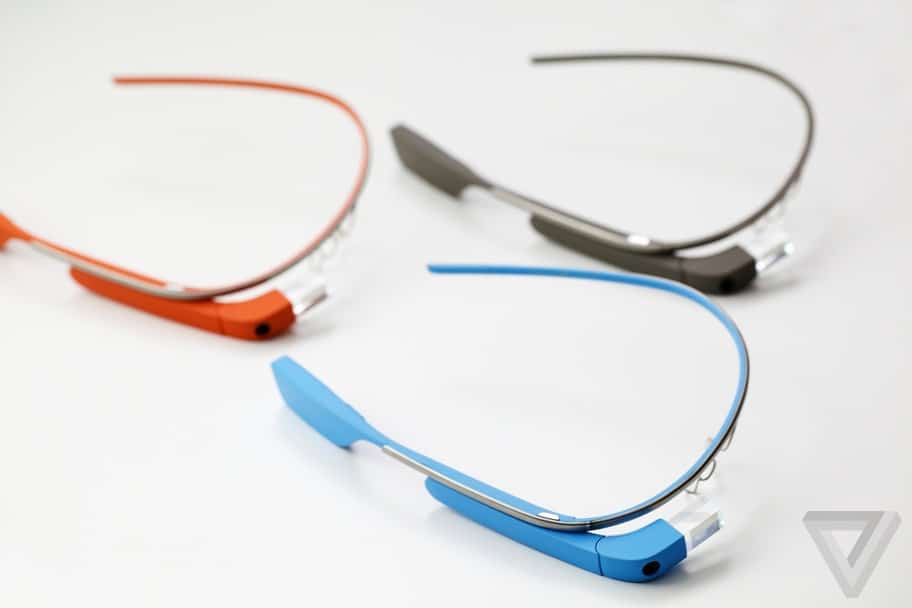
Google Glass has as the operating system Android 4.4.2 KitKat. The last update has greatly improved battery life and has added a lot of new features and apps. However, because their statistics were showing that only 10% of the people were using video calling, Google has currently removed it from Glass.
On the inside, Google Glass has 1GB of memory, 16GB of Flash storage, and a 5MP camera that can record video at 720p. It also has Wi-Fi, Bluetooth, a micro USB port, GPS, accelerometer, compass, and gyroscope. The processor has been reported as a Texas Instruments OMAP 4430, although the clock speed isn’t clear.
Don’t be fooled by the 640 x 360 display that might seem awful, because being located so close to your eye it is actually the same as watching a big screen from 2.4m away, giving you a great view.

GOOGLE GLASS FEATURES: WHAT APPS RUN ON GLASS?
One of the key aspects that could make Google Glass a hit or a massive failure will be its apps, also called Glassware. The Google team has done a lot of work to customize the Android operating system. The ‘OK Glass’ launcher lets you search Google, take a picture, get directions, send messages and emails, make calls, start a Google Hangout, and access Google Now for appointments, flight details, and bookings.
Another thing currently in development is the possibility of integrating third-party apps. Some of the developers that have already prepared apps for Google Glass are Twitter, Evernote, CNN, The New York Times, and Facebook.
Another great app that will soon be launched on Glass is Google Wallet, making it easy for people to use their voices to send money.
Don’t hope to see this app available on Glass anytime soon, it will be available initially only for the people working on Google’s corporate network.
In conclusion, for the enthusiasts, $1,500 won’t seem like a lot, but if you’re a simple man like we are, you’ll wait, like we are, for the customer version, which will have a price of around $600, say some sources.
Update, February 07, 2017
The Google Glasses have since been released and can be found on Amazon for prices from $300 to $1,500. The gadget is purely amazing and we encourage all tech and gadget enthusiasts to get it. In a world full of VR devices, Google glasses are something else.
Watch the horror movie ‘JeruZalem’, the first movie we know of that was made around Google Glasses, to get a general idea of how this gadget can improve your life.
CEO at ThePricer Media
Alec Pow is a thorough and methodical Financial and Business Analyst with over 15 years of experience in financial statement analysis, Foreign exchange derivative hedging instruments analysis, modeling, and risk management, with a long history of writing for big news publications like Forbes, MSN.com, Washington Post, and many more.
Latest posts by Alec Pow (see all)
- How Much Does the La Rinconada Country Club Membership Cost? — November 14, 2023
- How Much Does a Restraining Order Cost? — November 14, 2023
- How Much Do Ragdoll Cats Cost? — November 14, 2023
Второе рождение Google Glass: революция продолжается
Первая версия очков от Google вызвала массовую критику и возмущение, так что компания решила все радикально поменять. Главный редактор Backchannel Стивен Леви выяснил, кому теперь адресован этот модный в свое время гаджет и что еще планирует Google
Не называйте Хизер Эриксон одержимой.
Да, она носит Google Glass. Но она не использует их, чтобы проверять Facebook, отправлять сообщения или записывать видео, катаясь на американских горках. 30-летняя Эриксон — работник завода в Джексоне, штат Миннесота. Для нее Glass — не модный способ пользоваться приложениями, а инструмент для работы — такой же, как механический ключ. Она использует их каждую смену в заводском цехе, где собирают двигатели для тракторов.
Никого на заводе не волнует, что потребительская версия Glass после первоначального всплеска интереса была осуждена за жуткий вид и за то, что подталкивает пользователей вести себя неприлично. У дизайнеров первой версии Glass был наивный образ масс, блаженно проживающих жизнь в объемных очках с крошечным компьютерным экраном, парящим перед глазами. Но мечта быстро уступила место разочарованию, так как первые пользователи обнаружили, что получили куда меньше, чем обещалось, а кроме того, они стали объектом агрессии окружающих, обеспокоенных приватностью. Через три года Alphabet (материнская компания Google и ее дочерняя компания, «фабрика прорывных технологий» под названием «X») отказались от Glass — по крайней мере, так показалось обывателям.
Но они не знали, что Alphabet создала небольшую группу для разработки производственной версии Glass. Команда расположилась в подразделении X, где когда-то и родились Glass как страстный проект сооснователя Google Сергея Брина. Теперь основное внимание уделялось созданию практического рабочего инструмента, который экономит время и деньги. Теперь новые очки представлены миру — это Glass Enterprise Edition.
Именно их Эриксон носит каждый день. Она работает в AGCO — это производитель сельскохозяйственной техники, который стал одним из первых пользователей Glass EE. В течение примерно двух лет Glass EE спокойно использовалась на десятках рабочих мест, незаметно для блогеров, аналитиков и самозваных футуристов. Да, число тех, кто использует потребительскую версию Glass, резко упало. Но Alphabet продавала все больше Glass EE — это улучшенная версия продукта, который изначально был представлен как Explorer Edition в 2013 году. Компании, тестирующие EE, а в их числе такие гиганты, как GE, Boeing, DHL и Volkswagen, отмечают значительное повышение производительности и заметное улучшение качества. То, что в этих корпорациях начиналось в качестве пилотных проектов, теперь превращается в планы по широкому внедрению. Другие предприятия, например медицинские, используют Enterprise Edition на рабочих местах для упрощения ранее обременительных задач.
По прогнозу Forrester Research, к 2025 году почти 14,4 млн американских рабочих будут носить умные очки. Это говорит о том, что Google изначально разработала весьма многообещающую технологию, просто не смогла понять, кому она лучше всего подходит и что она должна делать. Теперь же компания это осознала.
Версия для предприятий — это серьезное изменение для одного из самых продвигаемых продуктов в истории Google. Glass впервые появился на сцене пять лет назад после большой конференции Google в 2012 году. Первые впечатления были восторженными: Time объявила Glass одним из лучших продуктов года, и все — от принца Чарльза до Бейонсе — горели желанием их попробовать.
Но вскоре недостатки Glass стали очевидными. Очки были полны ошибок, их неудобно было носить, и не было понятно, какова их основная функция. Затем появилось активное недовольство людей, взаимодействующих с пользователями Glass: окружающие опасались, что их личные моменты будут незаметно записаны на видео. Многие организации начали запрещать использование Glass. Проект попросту не работал и к январю 2015 года полностью ушел в тень. На веб-сайте было написано: «Спасибо, что попробовали» — и это, казалось, был конец, хотя компания также обещала: «Путешествие на этом не заканчивается».
Но фактически тогда началось уже другое путешествие. Еще несколько лет назад пользователи обнаружили, что очки могут решить многие проблемы на производстве. Работники, которым нужна была информация в режиме реального времени — и при этом две свободные руки, — стали естественными пользователями преимуществ Glass, хоть Google еще и не поняла этого тогда.
Некоторые производственные компании поют дифирамбы шлемам «смешанной реальности», которые накладывают графику и информацию на отображенную на дисплее картину реального мира. Но они дорогостоящие, громоздкие и не очень подходят для ежедневных задач на заводе. В случаях, когда работник нуждается в доступе к информации в режиме реального времени, большой шлем, который занимает всю область зрения, — это чересчур. Смарт-очки — это облегченная версия дополненной реальности (некоторые люди называют ее «вспомогательной»), предлагающая компьютерный дисплей, к которому можно обратиться, просто переместив взгляд, а потом вернуться к реальному миру. Это дешевле и удобнее, чем полное погружение.
Без всякого руководства со стороны Google компании начали приобретать компоненты Explorer Edition Glass и использовать их с помощью специального программного обеспечения для решения конкретных задач своих корпоративных клиентов. И Google это заметила.
В результате по инициативе Брина была создана специальная команда для работы над специализированной версией Glass для предприятий.
Возможные клиенты этой новой версии — от малых предприятий до огромных корпораций — уже имели дело с независимыми стартапами, которые адаптировали Glass для конкретных рабочих условий. Команда Glass в X формализовала эту структуру и создала экосистему, призванную поддерживать «партнеров-разработчиков», которые будут работать непосредственно с командой Glass Enterprise, а также покупать актуальные устройства у Alphabet. Затем партнеры могут продавать полный пакет аппаратного и программного обеспечения корпоративным клиентам. Основная задача команды Enterprise в X заключалась в создании новой модели самих очков, адаптированной к производственным условиям и дополненной новыми функциями, которые требовались клиентам. В январе 2015 года они начали отправлять партнерам получившийся Enterprise Edition. Возможно, из-за фиаско потребительской модели Google попросила клиентов не раскрывать существование EE.
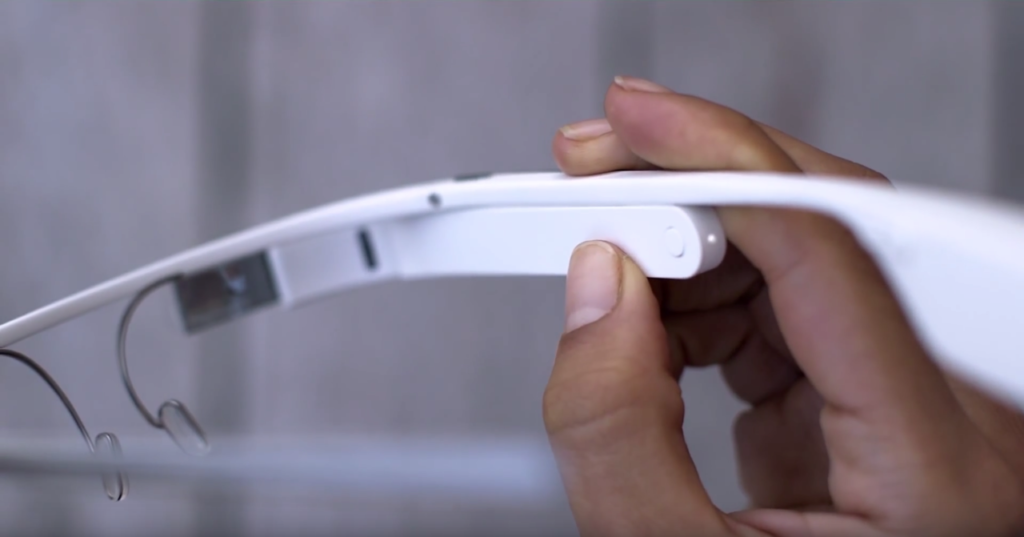
Те, кто все еще использует Explorer Edition, обзавидуются, когда увидят Enterprise Edition. Во-первых, технология стала полностью доступной для тех, кто носит обычные очки. Кнопка камеры, которая находится на дужке, выполняет двойную функцию: с ее помощью можно удалить электронную часть устройства (называемую Glass Pod) из оправы. Затем вы можете подключить ее к защитным очкам для заводского цеха — теперь EE предлагает сертифицированные защитные экраны, — или к оправам, которые выглядят как обычные очки. (Бывшее подразделение 3M выпускает их специально для Enterprise Edition, и если они войдут в моду, можно ожидать, что другие производители — от Warby Parker до Ray-Ban — разработают свои собственные модели.) «Мы много работали над тем, чтобы облегчить вес оправ, компенсировав таким образом дополнительный вес [Pod], — говорит Джей Котари, возглавляющий команду Enterprise Edition. — Так что вес Glass и оправ равен среднему весу обычных очков».
Кроме того, были улучшены сетевые функции — не только более быстрый и надежный Wi-Fi, но также соблюдение более строгих стандартов безопасности, — и добавлен более быстрый процессор. Срок службы батареи был расширен — необходимая вещь для тех, кто хотел бы отработать полную восьмичасовую смену без подзарядки. (Более интенсивное использование, например, постоянная потоковая передача видео, по-прежнему требует внешней батареи.) Камера была обновлена с пяти мегапикселей до восьми. И теперь на очках загорается зеленый свет, когда записывается видео. (Прививка против очкофобов!)
Сегодня, когда Google официально представила Enterprise Edition, очки станут доступны для бесчисленного множества предприятий. «Это больше не эксперимент, — говорит Котари. — Это было экспериментом три года назад. Теперь мы полностью сотрудничаем с нашими клиентами и нашими партнерами».
Я увидел Glass в действии во время визита на завод AGCO в Джексоне в этом месяце. AGCO — компания стоимостью $7 млрд, которая производит крупное сельскохозяйственное оборудование, такое как тракторы и опрыскиватели под брендами Challenger и Massey Ferguson. На заводе в Джексоне работают 850 человек. Дорогостоящее оборудование, которое производит AGCO, чаще всего выполняется по индивидуальному заказу, поэтому почти каждая выпущенная единица обладает уникальным набором функций. Чтобы отслеживать характеристики каждой машины, AGCO изначально предлагала своим работникам пользоваться ноутбуками, но для этого надо было проходить 15 метров каждый раз, что нарушало рабочий процесс. Компания экспериментировала с планшетами, но даже тяжелые промышленные экземпляры обычно выдерживали всего неделю в суровых условиях.
И тогда кто-то предложил директору по улучшению бизнес-процессов Пегги Гулик попробовать эту новую штуку под названием Google Glass. Гулик убедила своего босса купить один блок Explorer. Они получили его в 2013 году и были воодушевлены его потенциалом. Google Glass также показался более прочным, чем его конкурент на рынке — Smart Glasses от Vuzix.
С помощью бельгийской компании Proceedix AGCO начала решать все потенциальные проблемы, от технических — Explorer не смог подключиться к корпоративной сети, — до отслеживания устройства и безопасности. «Мы не хотели, чтобы наши работники заработали головные боли и другие проблемы», — говорит Гулик. (Действительно, некоторые работники жаловались на головные боли, пока не привыкли к девайсу.) Все это заняло месяцы, но AGCO полагала, что это того стоит.
Гулик говорит, что не все сотрудники одинаково включились в процесс — некоторые более старые, очень опытные рабочие изначально не понимали, как это им поможет. «Был начальный скептицизм, но мы его преодолели», — говорит Скотт Бенсон, который собирает коробки передачи.
Некоторые работники — настоящие энтузиасты, такие как Хизер Эриксон. Когда ее перевели на другую станцию, где проект Glass еще не был реализован, уже через несколько часов она отправилась в офис Пегги Гулик и попросила ускорить внедрение.
Сейчас в AGCO уже более сотни гарнитур Glass (стоимостью от $1300 до $1500 за штуку), и Гулик говорит, что планирует заказать гораздо больше, чтобы внедрить очки на других производствах.
«Мы не используем технологии, чтобы заменить рабочих роботом, который делает их работу лучше них — мы помогаем им лучше выполнять свою работу», — говорит Гулик.
Этот момент подчеркивают и другие пользователи Glass EE. Председатель совета директоров Upskill и главный экономист GE написали статью в Harvard Business Review, озаглавленную «Дополненная реальность улучшает рабочие показатели».
«Существуют опасения в отношении машин, заменяющих человеческих работников, — пишут они. — Но опыт General Electric и других промышленных фирм показывает, что для многих рабочих мест объединение человека с компьютером приносит больше пользы, нежели работа в одиночку. Особенно эффективны портативные устройства дополненной реальности».
GE, в частности, с энтузиазмом отмечает, что по результатам тестов Glass сборщик склада, использующий гарнитуру, тратит на 46% меньше времени. В рамках еще одного пилотного проекта в авиационном подразделении GE EE используется совместно с динамометрическим ключом с поддержкой Wi-Fi: Glass говорит работникам, используют ли они надлежащее количество крутящего момента. 85% рабочих сказали, что система уменьшает количество ошибок.
Пользоваться Enterprise Glass могут не только синие воротнички. Когда инженер Ян Шэкил впервые увидел прототип Glass у некоторых друзей Google в 2012 году, он ушел с работы и основал компанию под названием Augmedix. Он решил задействовать эту технологию, чтобы сделать медицинские осмотры более продуктивными и более удовлетворительными для пациентов и врачей. Врач, использующий эту систему, надевает очки Enterprise Edition и передает процесс осмотра «секретарю», который может быть студентом последнего курса медицинского колледжа или медицинским расшифровщиком в Индии, Бангладеш или Доминиканской республике. «Секретарь» делает заметки во время осмотра и при необходимости обращается к истории болезни пациента, чтобы найти прошлые записи, давая возможность доктору сосредоточиться на пациенте.
«Теперь мы тратим на ввод данных не треть дня, а меньше 10%, — говорит главный специалист по медицинской информации в Dignity Health Девин Лундквист, который сам использует Augmedrix и Glass в клинической работе. — А время на взаимодействие с пациентом возросло с 35 до 70%».
Энтузиазм Лундквиста по поводу Glass подчеркивает иронию: те самые особенности, которые вызвали критику потребительской версии Glass — скрытое введение внешней информации в реальные настройки, возможность незаметно записывать видео, — стали наиболее ценными функциями Enterprise Edition.
«Glass в условиях предприятия — это не игрушка, — говорит Лундквист. — Это инструмент, который повышает нашу способность быть профессионалами».
Пока Alphabet не дает четкого ответа, послужит ли успех ЕЕ поводом к возрождению потребительской версии Glass.
«Мы пока не отказались от идеи, что со временем Glass станут все менее и менее инородными, и что все больше и больше людей будут их использовать, — говорит Теллер. — Но мы не собираемся ориентироваться именно на этот путь — это то, в чем мы ошиблись в прошлый раз. Мы сосредоточимся на тех областях, где Glass действительно имеют ценность, и продолжим этот путь, будучи непредвзятыми относительно того, куда все это зайдет».
Возможно, Google стоит проконсультироваться с Кеном Вином, проверяющим качество на заводе AGCO в Джексоне. Он уже два года использует Glass EE во время тестирования тракторов, сошедших со сборочной линии. «Раньше, когда я видел проблему, мне приходилось записывать ее на бумаге, затем пойти к компьютеру и напечатать это, — говорит он. — Теперь я нажимаю «Не соответствует», описываю проблему, и это уходит напрямую [команде качества]».
Будет ли он заинтересован в использовании стекла в своей повседневной жизни? «Возможно, буду, — говорит он после некоторых раздумий. — Я мог бы мыть посуду и проверять электронную почту. Это может пригодиться». И затем он возвращается к тестированию тракторов.
20 июля 2017 GE Google Backchannel
- Интим не предлагать: когда дополненная реальность придет в нашу жизнь
 The Economist
- 6 способов разбогатеть на дополненной реальности
 The Verge
- Астероиды, коты и омут памяти: как виртуальная реальность захватывает мир
 New Yorker
Только на Идеономике
«Бич современного общества — люди, ненавидящие свою работу»

Илон Маск займется спутниковым интернетом в Индии
Нейросеть Сбера создает картинки из словесного описания
Лидеры мира согласовали единый налог на корпорации – 15%
В Кембридже поняли, как развивается болезнь Альцгеймера

Водное беспилотное такси появилось в Амстердаме
Школа из Москвы – №2 в рейтинге лучших частных школ мира

Toyota показала свой первый серийный электрокар

Район города напечатают на 3D-принтере в Техасе

Яндекс откроет новый офис в Европе
Apple потеряла $6 млрд выручки из-за дефицита чипов

Цукерберг переименовал Facebook – теперь это Meta
ClickHouse – стартап родом из Яндекса – стал единорогом

Ученые нашли генетическую взаимосвязь между интересом к наркотикам и случайному сексу

Павел Дуров начинает монетизацию Telegram

Продажи электромобилей в России выросли в 5 раз
Вакансии на «Идеономике»: ищем редакторов новостей и продавца рекламы

Алена Владимирская раскрыла личный рецепт спасения от выгорания
Тиньков выплатит США рекордный штраф – $506 млн

Продажи «зеленых» авто в Китае достигли 18%
Нью-Йорк запрещает продажу бензиновых машин с 2035 года
Красильщик выставил на NFT-аукцион твиттер-шутку

Сбер показал свой беспилотный автомобиль
ivi стал единорогом и привлек $250 млн инвестиций
Ходьба значительно продлевает жизнь (доказано)

Кармин Галло
Презентации в стиле TED. 9 приемов лучших в мире выступлений
Подпишитесь на еженедельную рассылку лучших материалов
Свежие материалы

- Образ жизни Саморазвитие
Гуманизм — это практично: как человечность стала самым ценным .

Причина мрачности нашего мира в том, что мы разучились относиться . Идеономика
Лидерство Саморазвитие
«Наличие позиции — это история взросления»
Результата добивается не самый упрямый и самый везучий, а тот, у кого есть позиция БОМБОРА
 Будущее
Много машин: как массовый переход на электромобили создал новые проблемы

Почему Норвегия, пионер по переходу на электроавтомобили, теперь .Vox
Подпишитесь на нашу рассылку, чтобы получать на почту
еженедельные анонсы лучших материалов