Amazon Attribution and How You Can Use It to Track Google Ads

Driving traffic to your Amazon listings from external sources is a great way to boost sales. However, once your customers click the link on external ads and cross into Amazon’s environment, you are left to guess which route they took to your listing.
The issue with tracking external marketing campaigns that drive traffic to your listings is that it lumps shoppers who didn’t arrive from Amazon PPC into the same lot. To cite an example, consider the scenario where you have sold a total of 100 products. If you are assured that at least 50 of them were from Amazon PPC, the confusion regarding the other 50 still remains, as they could be from anywhere, including paid, organic, or external sources.
To counter this, Amazon has launched the Amazon Attribution program that lets you attribute sales to off Amazon marketing. On using it, you will know exactly which path shoppers took to get to your listing.
This is a huge step forward as the data allows you to track the buyers’ journey throughout the entire sales funnel. You can now increase your ad ROI, remove ads that aren’t functioning, and optimize the ones that are.
In this blog, we will learn more about Amazon Attribution and see how we can use it with Google Ads .
Who Can Use Amazon Attribution, and What Does It Cost?
It is currently open to any first-party or third-party Amazon seller that is brand registered.
To sign in, you can simply use your Seller Central credentials to access Amazon Attribution.
How Does It Work?
Paid advertising platforms like Google Shopping and Facebook allow tracking through a pixel (a web beacon).
Dropping a pixel on your website means users can follow it from your ads to your website, the pixel then tracks every action they take and reports it to you. But this works only if you own the website. Since Amazon owns Amazon, they aren’t willing to let a spying pixel anywhere near their website.
Amazon Attribution works a bit differently. Instead of giving you a pixel, they offer you what Amazon calls an “Attribution Tag.”
What Is an Attribution Tag?
Parameterized URLs that can measure the clicks and attribute sales and conversions of products on Amazon are called Attribution tags. Essentially, these tags are just a link to your product listing that can be tracked by Amazon.
To generate the tag in your Amazon Attribution account, simply place the link in your ad, email, or blog post.
It is similar to a regular link that you would use to get people to your listing, except this time, whenever someone clicks on it, Amazon can track their activity and let you know about the number of actions they take.
How Can You Create an Attribution Tag?
- After setting up your Amazon Attribution account, it is quite simple to generate your first Attribution Tag and start tracking your off-Amazon marketing campaigns.
- To start, select “Measurement & Reporting” from the left panel and click on “Amazon Attribution.”
- Then click on “Create campaign” in the Amazon Attribution console.
- You will be provided with two creation methods; manual or bulk. Choose the first method, and this option will prompt you to create a campaign name and enter an external ID if you wish to.
- The next step is to create the ad group. To track Google Ads , you can type in a keyword or a relatable name that can be used for easy reference.
- Under “Publisher”, select “Google AdWords.”
- Then paste the Click-through URL (the URL of your product display page), and click “Create” on the top right corner.
- The Attribution tag is then created. You can then view the tag in the console.
- To integrate it, copy the tag and paste it into the Google Advertising console. Post which you can track anyone who clicks on the link.
What Metrics Can You Track with Amazon Attribution?
Once you have added “Attribution tags” to your paid ads, emails, posts, etc. You will be able to track consumer metrics like:
- Amazon Detail Page views (number of people who visited your listing page)
- Add to Cart
- Purchases
- Product Sales
These metrics will let you know exactly which off-Amazon marketing efforts of yours are delivering results by generating more sales and attracting visitors to your listings, and which ones are losing you money.
Amazon Attribution removes the guesswork with statistics. Rather than guessing, you will know which strategies to scale and which ones to kill. You will also know exactly at which point the shoppers are dropping out of your sales funnel; this allows you to test each element and optimize your campaigns better.
For example, If you are not making enough sales even with a high click-through rate, then you may be having issues with the price of your listing. It is something you can test and edit accordingly.
Amazon Attribution has opened the possibility of tracking traffic from external sources to your listings. The data will help you effectively measure the impact of search, social media, video, and email marketing on your sales, and also display how consumers research, discover and purchase your products on Amazon
You can then utilize those insights to find what works best for your business, and take the necessary steps to better optimize your campaigns and increase ROI.
If you are new to selling online and are not well versed with the advertising process or if you have questions regarding Amazon Attribution, feel free to contact us at Sellryt, a top Google Advertising agency where our experts are always ready to help your brand scale the height it was meant to.
If you want to try our services, book a free consultation today!
Your non-Amazon campaigns, measured.
Amazon Attribution is an advertising and analytics measurement solution that gives marketers insight into how their non-Amazon marketing channels perform on Amazon.

Measure
Understand the impact of your cross-channel digital marketing activities.
Optimize
Make in-flight optimizations using on-demand advertising analytics to help maximize impact and ensure efficiency.
Plan
Learn which of your strategies maximize return on investment and drive sales to build future marketing plans.

In this course for beginners, learn how to create attribution tags to measure your non-Amazon advertising media, and how to gain insights to optimize performance.
How advertisers can use Amazon Attribution
While Amazon Advertising helps drive consideration for your brand and products across multiple touch points, we know there are a number of non-Amazon channels that also play key roles in the shopping journey. With Amazon Attribution measurement, you can gain visibility into how these non-Amazon touch points help customers discover and consider your products on Amazon. Using these advertising analytics and insights, you can optimize and plan your digital strategy based on what you know resonates with your customers and drives value for your brand on Amazon.
Understand which non-Amazon strategies are helping you reach your goals.
Access full-funnel advertising analytics with metrics including clicks, detail page views, Add to Carts, and sales.
Discover new sales opportunities by learning more about how shoppers engage with your brand on Amazon.
Get insight into campaign performance in-flight with Amazon conversion metrics for your campaigns.
Grow return on investment by ensuring your marketing campaigns are driving value for your brand on Amazon.
Your complete guide to Amazon Attribution
Measure and optimize the impact of your non-Amazon marketing campaigns based on how consumers discover, research, and buy products on Amazon.

Here are the themes we’ll cover in this guide
Chapter 1
Chapter 2
Chapter 3
Chapter 4
Chapter 5
Chapter 6
Chapter 7
What is Amazon Attribution?
Discover how our self-service analytics and measurement solution can help you optimize your off-Amazon marketing efforts, maximize your return on investment, and drive more sales.

Your non-Amazon campaigns, measured.
Amazon Ads can help drive awareness, consideration, and sales for your brand and products across multiple touchpoints on Amazon. But we know there are a number of non-Amazon channels that can play key roles in your customers’ shopping journey and in your overall marketing strategy, such as:
- Driving discoverability and consideration of a new product or your Store on Amazon
- Promoting awareness of deals or coupons
- Conducting landing page tests for your product details page or Store to optimize views
- Increasing glance views of product pages, which can help support organic rankings and add to the audiences you can reach with self-service display ads
- Boosting new-to-brand consideration and sales in a new category
- Growing your followers on Amazon
So we designed Amazon Attribution (beta) to empower brands like yours with the insights they need to understand how their marketing campaigns off of Amazon, that drive to Amazon product pages and Stores, are creating value for their brand on Amazon. And to learn how those efforts are impacting customers’ Amazon shopping activities, by providing insights throughout the shopping journey.
Using Amazon Attribution’s analytics and insights, you can optimize and plan your digital strategies based on what you know resonates with your customers and makes an impact for your brand on Amazon. This means more opportunities to build awareness of your brand and products, reach more customers, and ultimately increase sales on Amazon.
* Amazon Attribution is currently available for professional sellers enrolled in Amazon Brand Registry, vendors, and agencies with clients who sell products on Amazon.
quoteUp Through Amazon Attribution, we have gained visibility into how our client’s non-Amazon marketing investments impact their sales on Amazon. This insight is key to empowering our teams to drive greater return on investment and Amazon business growth for MidWest Homes for Pets. quoteDown
— Josh Brisco, VP, Growth Media at Tinuiti
Introducing Amazon Attribution
Amazon Attribution is a free, self-service advertising and analytics measurement solution that gives marketers insight into the on-Amazon impact of their marketing strategies across paid and organic non-Amazon channels that drive to Amazon product pages and Stores.
Amazon Attribution campaigns can be created for any type of publisher, including paid or organic:

Search

Social

Display

Video


Third-party affiliate marketing
Amazon Attribution users can tap into several key benefits:

Full-funnel insights
Access Amazon conversion metrics across the shopping journey, including new-to-brand, detail page views, add-to-carts, and sales, to help you learn how your strategies lead to brand awareness and product consideration on Amazon in addition to sales.

Quantifiable performance
Measure true sales impact instead of relying on engagement metrics to understand which channels and strategies are most effective for your business.

Singular, cross-device view
Ensure all conversions are accounted for regardless of whether they occur on desktops, laptops, or mobile devices for a comprehensive view of the shopping journey.

Multi-dimensional, visualized reporting
Review campaign performance in-flight, and select your report based on whether you’re looking for reporting at the channel, publisher, campaign, creative, keyword, or product level.
6 ways to use Amazon Attribution
Here are some of the ways you can use Amazon Attribution to gain insights on your brand’s non-Amazon channel impact, with the ultimate goal to grow your business on Amazon.
- Understand the on-Amazon shopping journey: For your off-Amazon marketing campaigns linking to your product detail pages or Store on Amazon, you can glean insights on how the campaigns help customers discover and consider your products and lead to conversions on Amazon. You can review metrics such as detail page views, add to carts, and sales, and then use these insights to help motivate shoppers to further engage with your brand on Amazon.
- Identify new, high-value opportunities: Learn which products shoppers purchase after clicking through your non-Amazon campaigns. You can leverage these insights to inform new marketing strategies and identify new opportunities to re-market, cross-sell, or promote new products—helping you improve the sales impact of your strategies and grow your returns.
- Test creatives, messaging, and tactics: Use attribution tags across the marketing elements you’d like to test and then use the resulting insights to identify which creatives, messages, publishers, or strategies make the most impact toward your marketing goals.
- Optimize campaigns in flight: Amazon Attribution allows you to quickly pinpoint which campaigns are working and adjust them accordingly. Making in-flight campaign optimizations can help maximize your campaign’s impact.
- Learn more about your customers: By using Amazon Attribution tags in your social media posts that link to your Store and product pages, you can gather insights into how your off-Amazon followers shop with your brand once on Amazon.
- Redefine and remarket across channels for full-funnel impact: With Sponsored Display, you can re-market to audiences who have clicked your non-Amazon ads and explored your Store’s product pages, but have yet to make a purchase.
Advertisers that optimized their non-Amazon media using Amazon Attribution insights experienced an average 18% increase in new-to-brand sales. 1
1 Amazon internal study across 93 advertisers, November 2020 – April 2021
Advertiser spotlight
SmartyPants
SmartyPants, a vitamins and supplements brand, launched on Amazon in 2015 and began advertising with Amazon Ads to help grow their brand presence and drive sales. In 2019, the wellness brand expanded their marketing efforts to include paid search, social media, and other non-Amazon channels and registered for Amazon Attribution to track these tactics and measure their success.
SmartyPants partnered with Quartile Digital, a pay-per-click advertising solution integrated with Amazon Attribution through the Amazon Ads API, to manage their paid social and search campaigns. They were able to view Amazon conversion reporting alongside their paid social and search reporting from within the same console they were using for campaign execution.
Using Amazon Attribution through Quartile’s solution allows us to get a unified view of our non-Amazon advertising strategies. For the first time, we were able to view Facebook, Instagram, and Google engagement metrics alongside Amazon conversion and sales metrics. This comprehensive reporting has allowed us to create a truly full-funnel strategy—one that has led to over 100% sales growth for our brand on Amazon this year.
— Gordon Gould, co-CEO at SmartyPants
Get to know the basics
Review some key details on eligibility, access, and more before getting started with your first campaign.

Eligibility
Amazon Attribution is available in the United States, Canada, United Kingdom, Germany, France, Italy, and Spain for the following:
- Sellers enrolled in Amazon Brand Registry with brand representative status
- Vendors
- Agencies that advertise to sell products on Amazon
- Agencies and tool providers working with sellers and vendors who sell on Amazon
Access
You can get started with Amazon Attribution and access your campaigns through the advertising console, right alongside your self-service ad campaigns. Using these insights together with your ad performance metrics can help you learn how to optimize your strategies and drive full-funnel impact for your brand.
Just register for the advertising console or sign in to your existing account to get started. Navigate to the menu on the left, scroll to “Measurement & Reporting,” and select Amazon Attribution to get started.
Earn a bonus on product sales you drive from off-Amazon marketing efforts
For US seller brand owners, you have an opportunity to further maximize your return on investment when using Amazon Attribution, by earning a bonus based on the product sales you drive and measure.
The Brand Referral Bonus program allows you to earn a bonus averaging 10% of product sales driven by non-Amazon marketing efforts. Participation in the program can help improve your advertising efficiency by receiving the same bonus for customer purchases of additional products from your brand up to 14 days after clicking on the ad.
The more traffic you drive to Amazon, the more opportunities you’ll have to earn a bonus.
To start earning your bonus, enroll in the Brand Referral Bonus program and start measuring your campaigns through Amazon Attribution.
You can then view your earned bonus on a monthly basis in the Transaction Details page of your seller account. Or download your weekly Brand Referral Bonus Report in Seller Central. 1
1 There is a two-month processing time between when a sale occurs and when you will receive your bonus.
Attribution tags
Amazon Attribution ad traffic measurement is powered by attribution tags. In order to measure advertising impact, you can place attribution tags directly in your non-Amazon ad’s final destination URL. The tag contains URL parameters that enable Amazon Attribution to associate future activity to the ad click.
We’ll explore how to create and implement attribution tags later in the guide.
Other key terms
Before getting started with Amazon Attribution, familiarize yourself with a few other key product terms:
- Campaign: A collection of ad groups tracking conversions and activity for the same products
- Channel: The ad or organic marketing channel type, including: display, email, search, social, or video
- Publisher: The inventory source enabling advertisers to display ads on their website, app, search listings, or other property
- Ad group: Each ad group receives a unique attribution tag and will measure Amazon conversions for the selected products
Attribution methodology
When shoppers interact with or purchase your products after clicking on an ad measured by an Amazon Attribution tag, we attribute the shopper activity to your campaign.
Amazon Attribution utilizes a 14-day, last-touch attribution model. This means that for a click to get credit for a conversion, the conversion needs to happen within 14 days of the click. Last touch means that the conversion credit goes to the most recent click.
Measurement integration with Amazon Ads API
Seamlessly access Amazon Attribution measurement within your current tool provider’s interface.

Easy access to your measurement via the Amazon Ads API
We know that using multiple analytics tools and creating unique measurement tags for every campaign isn’t always efficient and scalable.
To help you streamline your measurement activities, Amazon Attribution is available in the Amazon Ads API, enabling you to access your metrics within the tool you’re already using to manage your campaigns. Amazon Attribution API tags are macro-enabled for Google, Facebook, and Instagram to provide automated measurement with just one tag for all of your campaign data.
So you can spend less time and resources on manual operations, and more time focusing on what matters—reviewing insights, identifying trends, and creating optimization strategies to help maximize performance.

7 benefits of using the Amazon Attribution API
- Simple sign in: Access Amazon Attribution measurement via your tool provider’s console without needing to sign in to the advertising console.
- Smarter measurement: Generate just one macro-enabled tag per publisher and client.
- Earn a referral bonus: With the Brand Referral Bonus program, you can earn a bonus averaging 10% of product sales driven by non-Amazon marketing efforts that are measured by Amazon Attribution.
- Automated ASIN adding: Products are automatically added for you based on the Amazon product detail page or Store page you choose.
- No manual mapping: Merge reporting and seamlessly join third-party campaign data with Amazon Attribution sales and conversions.
- Multiple reporting grains: Access reporting at the keyword level or in a more granular view, such as at the product level.
- No URL re-trafficking: You don’t need to generate a new Amazon Attribution tag if you’re driving to a new destination URL.

Get started with the Amazon Attribution API
Current version
If you’re currently working with a tool provider, reach out to your point of contact to find out whether they’re eligible to integrate with the Amazon Attribution API and how to get started.
For advertisers and agencies that don’t work with API-integrated tool providers yet, explore our partner directory to get started.
Future version to use once API launches in partner directory
If you’re currently working with a tool provider, visit our partner directory to learn whether they’ve integrated with the Amazon Attribution API and how to get started.
For advertisers and agencies that don’t work with API-integrated tool providers yet, you can also explore the partner directory to get started.
Create your first campaign
Step-by-step instructions for getting started with Amazon Attribution.

Chapter 4: Part 1
When creating your campaign, you can choose from two creation methods. We’ll explore step-by-step instructions for creating each type of campaign on the following pages:
- Create a manual campaign to start inputting campaign details and generating tags.
- Use the bulk upload option to create multiple tags at once for Google search and Facebook and Instagram ad campaigns. You can measure up to 100,000 Google search keywords or 8,500 Facebook or Instagram ads by uploading a single file.
Manual campaign
Step 1: Start your campaign and choose a creation method
Sign in to the advertising console and expand the global navigation to find “Measurement and Reporting” and select “Amazon Attribution”. Then, go to the campaign manager and select “Create campaign”.
Once you’re on the “New campaign” page, under “Creation method” choose the “Create manually” option.
Step 2: Choose your campaign settings and add products
Add a campaign name, which will only be seen by you in the campaign manager. It’s helpful to name your campaign based on the type of products you’ll be advertising or your campaign goal, such as promoting your bestsellers, supporting a new product launch, highlighting seasonal deals, or building awareness for your brand on Amazon.
In the products pane, you’ll be able to view all the products you’re currently selling on Amazon. Only products that are in stock and include photos and prices are eligible for measurement. Choose products that align with the objectives of your campaign, like those we mentioned above.
Segment your campaigns based on product groupings by including one or more products featured in your ad creative and any size and color variations. Including multiple products in a campaign can help you learn which products shoppers purchased after clicking your off-Amazon ad.
If you don’t see all of your products or see products that don’t belong to your brand, you can manage your brand-to-product mapping and request changes to help you accurately measure the effectiveness of your ad campaigns. Go to “Access and Settings” and click “Brands.” After selecting the brand you want to manage, you’ll have the option to add or remove products.

Step 3: Create ad groups and generate attribution tags
Create one ad group per strategy, tactic, or creative. For example, you can create an ad group to measure an organic post on social media and another to measure a paid social ad. Each ad group generates a unique Amazon Attribution tag that will allow you to measure conversions for the products you previously selected.
Then add the following:
- Ad group name: Create an ad group name based on where and how this specific tag will be implemented.
- Publisher: Select the publisher that corresponds to your ad or post. If the publisher isn’t listed, select “New” and enter the publisher’s name.
- Channel: Choose the channel that corresponds with the campaign you’re measuring.
- Click-through URL: Enter the Amazon destination that you want to drive customers to once they click your ad—either a product detail page or a Store page. This is the destination that your attribution tag will drive to. If your goal is to drive sales for a specific product, consider including a link to the product’s detail page to help shoppers explore the product in detail. If you want to drive consideration across a number of products, consider linking to your Store so shoppers can browse your full catalog.
To add more ad groups under the same campaign, click “Add new ad group.”
Once you’ve created all your ad groups, click “Create.” You’ve successfully created your campaign. The confirmation screen shows a tag generated for each ad group. You can download all tags in a CSV file or copy each tag individually.
Step 4: Apply your attribution tags
To complete your measurement setup, apply the attribution tags to your campaigns through the corresponding off-Amazon campaign manager. For example, if you’re running an ad on a social media site, visit the ad manager within that site.
Copy and paste the specific attribution tag into the destination URL field in place of the Amazon ASIN or Store URL. Do this for each individual tactic, including social posts, ads, links, and buttons. You can also provide the tag directly to the publisher if your media is site-served.

Chapter 4: Part 2
Step 1: Start your campaign and choose a creation method
Sign in to the advertising console and expand the global navigation to find “Measurement and Reporting” and select “Amazon Attribution”. Then, go to the campaign manager and select “Create campaign”.
Once you’re on the “New campaign” page, under “Creation method” choose the “Upload a file to create in bulk” option.
Step 2: Download your bulk file template
- Once in the “Bulk upload settings” section, under “Publisher”, select Google Ads or Facebook/Instagram depending on your campaign type.
- Download the bulk file template.
- Go to Instructions tab of the downloaded template and follow the steps to create a report from the publisher that includes the required columns listed in the template.

Step 3: Complete your bulk file template
Google search campaign
Fill out the required columns in the Keywords tab (columns A through H) of your bulk file template by downloading the necessary information from the Google Ads Report Editor:
- Select “Reports”, then click on “Custom” and “Table”.
- Select the necessary columns from list of available columns.
- Download the report and copy the contents into the Amazon Attribution bulk file template. Save it as an XLS/XLSX file.


Facebook or Instagram ad campaign
Fill out the required columns in the Ads tab (columns A through J) of your bulk file template by downloading the necessary information from the Facebook Ads Manager:
- On the “Campaigns” page, check the campaign(s) that you want to measure.
- Click the “Export & Import” icon next to “Preview”, and then click “Selected” under the “Export” section. If you want to measure all of your Facebook campaigns, select “All”.
- Copy the contents into the Amazon Attribution bulk file template and save it as an XLS/XLSX file.

Step 4: Complete your file upload
Back in the advertising console under “Bulk upload settings”, upload your completed bulk file template. The file will be immediately reviewed for errors. If you receive error messaging, correct any errors that were flagged and reselect the file to be uploaded.
Step 5: Add products to your campaign
In the products pane, you’ll be able to view all the products you’re currently selling on Amazon. Only products that are in stock and include photos and prices are eligible for measurement. Choose products that align with the objectives of your campaign, like those we mentioned above.
Segment your campaigns based on product groupings by including one or more products featured in your ad creative and any size and color variations. Including multiple products in a campaign can help you learn which products shoppers purchased after clicking your off-Amazon ad.
If you don’t see all of your products or see products that don’t belong to your brand, you can manage your brand-to-product mapping and request changes to help you accurately measure the effectiveness of your ad campaigns. Go to “Access and Settings” and click “Brands.” After selecting the brand you want to manage, you’ll have the option to add or remove products.
Step 6: Finish campaign creation
Select “Create” to begin the tag creation process. This process will take roughly 10 minutes and you’ll be notified via email once complete. You can also check the progress on the “Bulk created campaigns” page. Once complete, the progress will change to “Completed”.
Step 7: Implement your attribution tags
Once the tag creation is complete, you’ll see an attribution tags file. Download the resulting bulk sheet with the necessary Amazon Attribution campaign information and save it locally for future reference.
To complete your measurement setup, apply the attribution tags to your campaigns through the corresponding off-Amazon campaign manager. For example, if you’re running an ad on a social media site, visit the ad manager within that site:
- In Google Ads, navigate to Keywords, select More, and click Upload.
- In Facebook Ads Manager, click the Export & Import menu icon and then click Import Ads.
If you would like to create more tags for the same campaign in the future, just upload a new file. Even if your file contains ads you previously uploaded, any preexisting tags will be reused and new tags will be created as needed, so the processed file will contain a mix of old and new tags.
Troubleshooting tips
If you’re seeing a discrepancy greater than 20% between your Amazon Attribution metrics and the publisher or ad server traffic data, following our troubleshooting tips for common issues below:
- You see more clicks in Amazon Attribution than in your publisher or ad server reporting: Check that the date range you selected is the same for Amazon Attribution and your publisher reporting. Then make sure the attribution tag isn’t being shared across other creatives, URLs, or event trackers.
- You see fewer clicks in Amazon Attribution than in your publisher or ad server reporting: Check that the date range you selected is the same for Amazon Attribution and your publisher reporting. Ensure you’re only comparing publisher reporting for ads that include Amazon Attribution.
- You don’t see any clicks in Amazon Attribution: Make sure you correctly implemented your attribution tags, which we covered in Step 4.
- You don’t see conversions or sales in Amazon Attribution: Check that the product ASINs have been assigned to your campaigns. Keep in mind that the default columns in our console show conversions attributed to the products associated to your campaign. Sometimes when there are no purchases or detail page views for products, ads can still contribute to overall brand conversions, which will be itemized under “Total metrics.”
- You see discrepancies between Amazon Attribution and Stores insights: Amazon Attribution and Stores insights use different attribution methodology, which likely accounts for any discrepancies.
Review your reporting and performance
Once you apply your tags and launch your campaigns, the advertising console will display reporting—most likely only clicks to begin with. Wait 1-2 days to review and validate your reporting. Keep in mind that you may see a 10-20% discrepancy when comparing Amazon Attribution metrics to publisher or ad server traffic data, which could be due to factors such as a difference in click-counting methodology.
Once you’ve validated that your tags are reporting correctly, you can check the performance of your campaigns in the Amazon Attribution campaign manager. We’ll explore reporting more in the next chapter.
Remember to enroll in the Brand Referral Bonus program to start earning a bonus for product sales driven by non-Amazon marketing campaigns and measured by Amazon Attribution.
Explore your reporting options and metrics
Take a deeper look at your reports and how to access your Amazon Attribution data.

Reporting dashboard
You can access your Amazon Attribution data with a multi-dimensional, visual reporting dashboard in the advertising console, where you can customize the metrics displayed and toggle between campaign and ad group data.

Downloadable reports
You can also access Amazon Attribution reports as downloadable Excel files to help you track your success and identify which tactics or strategies perform best. Generate these reports on demand or schedule them to run ahead of time.
There are four main types of reports:
- Campaign reports provide daily performance metrics for all campaign and ad groups. You can use the summary option to identify the best-performing strategies or tactics.
- Channel publisher reports aggregate data at the channel-publisher level. Use this report to identify the best-performing publishers or channels, and optimize your campaigns toward channels or publishers that drive the most efficient reach.
- Keyword or creative reports are only available for campaigns created using the bulk creation method. Bulk-created campaigns have three levels of campaign hierarchy (campaign, ad group, and keyword/creative). This report is the only way to view keyword/creative campaign performance. You can use the summary view to determine the most successful tactics and strategies.
- Products reports capture reporting at the product level in five different views, which we’ll review on the next page.
Downloadable product reports
There are five different ways to view your product reports:
- Promoted product reports analyze performance of products associated with your campaign. You can use this type of report to gauge how your campaigns impact shopping activity and sales for your products on Amazon.
- Promoted product (rollup) reports are similar to the promoted product report but include variation products that are rolled up to the parent product level. You can reference this report for a more summarized analysis.
- Brand halo product reports analyze performance of the brand products you didn’t promote (also known as brand halo) with a daily or summary performance broken out by campaign, channel, and publisher. This daily view shows one row per campaign-channel-publisher combination per product per day.
- Brand halo product (rollup) reports analyze performance of the brand products you didn’t promote with all product variations, like size or color, rolled up to the parent product level. Use this report for a more summarized analysis.
- Brand halo snapshot reports provide high-level brand halo impact analysis. Products are rolled up to the brand instead of being displayed individually. Campaigns are broken out into campaign, channel, and publisher.
Available Amazon Attribution metrics
| Metric | Definition |
|---|---|
| Add to cart | The number of times a promoted product is added to a customer’s cart after a click on an associated ad. |
| Brand halo | Measures the impact of advertising on the overall brand by tracking conversions on products by the same brand as the promoted products (for example, “Add to Cart Brand Halo” and “Purchases Brand Halo”). Brand halo metrics exclude the promoted products. All brand halo metrics are abbreviated using “BH”. |
| Detail page views | The number of views of the advertised product’s detail pages on Amazon. |
| New-to-brand purchases | The number of first-time purchases for promoted products within the brand over a one-year lookback window. |
| New-to-brand product sales | The total sales (in local currency) of new-to-brand orders. |
| New-to-brand units sold | The quantity of promoted products purchased for the first time within the brand over a one-year lookback period after delivering an ad. A campaign can have multiple units sold in a single purchase event. |
| Product sales | The total sales (in local currency) of promoted products purchased by customers on Amazon after a click on an associated ad. |
| Promoted product | A product that is tracked by an Amazon Attribution campaign. |
| Purchases | The number of times any amount of a promoted product or products are included in a purchase event. Purchase events include video rentals and new Subscribe & Save subscriptions. |
| Total purchases | The number of times any number of products are included in a single purchase event. Purchase events include Subscribe & Save subscriptions and video rentals. This counts purchases for promoted products as well as products from the same brands as the products tracked in the order (Total purchases = Purchases + Purchases BH) |
| Total add to carts | The number of times a product is added to a customer’s cart. This counts adds for promoted products as well as products from the same brands as the products tracked in the campaign (Total add to carts = Add to carts + Add to cart BH). |
| Total detail page views | The number of ad-attributed detail page views on Amazon. This includes views for promoted products as well as products from the same brands as the products tracked in the campaign (Total detail page views = Detail page views + detail page views BH). |
| Total product sales | The total sales (in local currency) of promoted products and products from the same brands as promoted products purchased by customers on Amazon after a click on an associated ad. |
| Total units sold | The total quantity of promoted products and products from the same brand as promoted products purchased by customers on Amazon after a click on an associated ad. A campaign can have multiple units sold in a single purchase event. |
| Units sold | The total quantity of promoted products purchased by customers on Amazon after exposure to an ad. A campaign can have multiple units sold in a single purchase event. |
Conversion metrics
Within your reporting, you can view a number of metrics designed to help you understand how shoppers engage with and make purchases on Amazon through the entire shopping journey.
Each Amazon Attribution conversion metric comes in two versions: promoted conversions that include attributed conversions for the products associated with your campaign, and total conversions that encompass attributed conversions for the products associated with your campaign plus all other products in the same brand. Total conversions equal promoted conversions plus brand halo conversions.
It’s important to understand where each metric fits into the shopping journey so you can analyze the full-funnel impact of your non-Amazon marketing campaigns:
| Shopper journey stage | Campaign strategies | Relevant metrics |
|---|---|---|
| Awareness | Invest in growing the total audience of Amazon shoppers who are aware of your brand | Clicks |
| Consideration | Help maximize purchase intent by telling your brand and product story | Detail page views Add to carts |
| Purchase | Stay present when shoppers are ready to buy | Purchases Sales Units sold |
Using your data to optimize your campaigns
Put your insights into action to help improve campaign performance results.

quoteUp With the learnings from Amazon Attribution, we have been able to better understand which channels and strategies resonate with our niche audience and mirror that approach across all our marketing efforts. Ultimately, with Amazon Attribution measurement, we’ve been able to optimize our marketing strategies to help grow our business on Amazon. quoteDown
— Irene Pinchuk, Head of Marketing, BeaverCraft

Test and learn
Now that you’re familiar with the reports available, let’s explore how you can use this data to adjust and improve your campaigns.
We recommend using informed tests to help uncover which tactics are driving increased engagement with your brand on Amazon so you can optimize your off-Amazon digital marketing tactics.
These tests can include:
- Understanding channel and publisher performance: Uncover which channels and publishers are most effectively and efficiently helping you achieve your goals.
- Ensuring your creatives resonate: Discover which creatives and which messaging best helps you achieve your objectives. For example, if you’re looking to promote deals, you might find that time-bound messaging drives higher engagement and sales than deal-specific messaging.
- Identifying high-value opportunities: Using the products report can help you identify new advertising opportunities. For example, if you advertise Product A but notice that campaign is leading to increased detail page views for Product B, you might consider creating an ad specifically for Product B.
- Creating engaging landing page experiences: Conduct landing page tests to help understand how shopping activities differ based on your click-through destinations or calls to action. This can include testing different tabs on your Store page, product detail pages, or even calls to action to understand which leads to higher customer engagement. You can also use attribution tags to test different Store layouts and widgets that can help shoppers learn about your brand or easily find the products they expect to see.
- Getting unique audience insights: Find out which tactics best engage your audiences on channels outside of Amazon so you know where to focus efforts and budget.
Make your advertising work smarter, not harder.
With these insights from your reporting and tests, you can start to build more effective future campaigns.
Leverage the metrics from Amazon Attribution to understand which channels and publishers are most effective at driving results on Amazon.
Use that data to ensure your campaigns are driving the right outcomes.
Plan future campaigns that drive performance and maximize efficiency for your brand on Amazon.
Let’s walk through a few examples based on business goals you may be trying to achieve.
- Building awareness. In this example, when reviewing your Amazon Attribution data you see that your campaign is receiving higher clicks with Publisher A than it is for Publisher B. Try focusing more of your marketing on Publisher A to help drive more awareness. Or try adjusting your campaign with Publisher B by expanding your targeting and increasing your bids for the opportunity to reach a larger audience. You can also consider using a Sponsored Display audiences campaign to remarket to the audiences that visited your product detail page or Store from this campaign for greater awareness and potential sales.
- Increasing consideration. Reporting from your campaign shows that Product 1 is receiving higher detail page views than Product 2. If the publisher, creative, and targeting are the same for both products, you could try adjusting your non-Amazon campaign to highlight only Product 1. Or consider if there are other factors that could be affecting campaign performance: Was one product featured more prominently in the campaign? Are the products from different categories or have unique target audiences? If this was a paid campaign, did your targeting take into consideration any differences in category, keywords, or prices between the products? If so, you may want to feature the products in separate campaigns.
- Boosting sales. Your data shows that you’re driving more sales via social media ads than with display ads. If the display campaign isn’t meeting your expectations, evaluate your audience targeting—is there a product or creative that would better resonate on this channel? You can also consider shifting more of your non-Amazon marketing budget to social media to help drive more sales, which can also help increase your Brand Referral Bonus.
Increase traffic to your Store and grow your following
If you’re looking to drive greater brand and product discoverability, leverage your Amazon Attribution data for insight on shoppers visiting your Store and following your brand on Amazon from non-Amazon marketing campaigns.
Measuring off-Amazon campaigns that link to your Store can help provide you with new data that can help you increase new-to-brand sales for your suite of products. You can also use these insights to inform your remarketing strategies on Amazon using Sponsored Display and Stores.
Encourage your social media audience to follow your brand on Amazon for the latest on your deals and products. In your social media posts, use Amazon Attribution tags when linking to your Store and product pages for insights that can help you increase your followers and learn more about how those followers shop on Amazon.
MidWest Homes for Pets
Dedicated to building safe, healthy, and comfortable pet environments, MidWest Homes for Pets offers a complete line of dog crates, small animal modular habitat systems, and birdcages, in addition to other pet enclosure systems, bedding, and related accessories. The brand originally launched its pet supply line on Amazon and began working with digital marketing solution provider Tinuiti to continue to expand the business on Amazon.
They were looking to understand the impact of MidWest Homes for Pets’ non-Amazon paid search campaigns—as a whole and at the category level—on Amazon sales and engagement. So they began using Amazon Attribution to access on-demand Amazon conversion metrics for each of the off-Amazon marketing strategies.
By tagging each ad group within their publisher campaigns in the console, they could access insights about which of the brand’s marketing strategies were helping drive increased shopper activity across Amazon. They assessed metrics found in the console—including aggregated Amazon sales, product detail page views, and add to carts by channel—together with non-Amazon channel metrics—such as clicks, ad spend, and cost per click—to create a unified view of performance.
With these insights, Tinuiti helped MidWest Homes for Pets optimize their bidding strategies on key publishers and increase return on ad spend (ROAS) by 32%.
Куда добавить теги amazon attribution в google
Слухи ходили давно, но сейчас, похоже, дело сдвинулось с мертвой точки: Amazon.com приходит в Россию. Вроде бы уже известен даже руководитель российского отделения — бывший гендиректор «Азбуки-Аттикуса». Точные сроки запуска проекта — и степень присутствия компании на отечественном рынке — пока не объявляются.
Amazon готовится открыть представительство в России
Интернет-магазин Amazon выйдет на рынок России уже в этом году, предположительно, его ассортимент составят планшет Kindle и электронные книги.
В 2013 году в России будет открыто представительство интернет-магазина Amazon, уверены эксперты, они расходятся только в конкретных сроках. Называются как сентябрь, так и период ближе к концу года.
О подготовке свидетельствуют подача заявки на регистрацию товарного знака Amazon в стране и сообщения о конкретном лице на должность главы представительства. Им станет Аркадий Витрук, бывший директор издательского холдинга «Азбука-Аттикус».
Appstore от Amazon в скором времени появится в 200 странах
В Amazon ожидают, что их собственный Appstore для Android будет иметь ошеломляющий успех после запуска еще в 200 странах мира. Пока магазин Amazon доступен только в Японии и некоторых странах Европы.
Разработчики обратились к Amazon с просьбой расширить географию присутствия магазина. Доступность в разных странах мира означает больший поток клиентов и, соответственно, более высокие доходы, как самих разработчиков приложений, так и магазина. К тому же это сделает Appstore от Amazon более привлекательным для тех разработчиков, которые пока с магазином не сотрудничают.
Сервис Google Music заработал еще в семи странах
Музыкальный интернет-сервис Google Music начал свою работу еще в семи странах мира, постепенно расширяя свое влияние и все сильнее тесня iTunes. Теперь воспользоваться его услугами могут жители Люксембурга, Ирландии, Новой Зеландии, Португалии, Австрии, Бельгии и Австралии.
Эти страны присоединились к США, Франции, Германии, Италии, Португалии и Испании: здесь Google Music работает уже давно. Одновременно с запуском Music в новых государствах компания Google объявила о модернизации интернет-магазина Google Play, непосредственно связанной именно с музыкальным сервисом. Отныне в нем можно выбирать композиции по странам. К примеру, в категории Франция будут находиться только французские музыканты и исполнители. Это сделано с прицелом на молодые развивающиеся группы.
Amazon купит соцсеть для любителей чтения

Amazon заявила о покупке Goodreads, одной из самых посещаемых социальных сетей, построенных вокруг обмена мнениями и дружескими рекомендациями о книгах. Компания не раскрывает сумму сделки, которая будет закрыта в следующем квартале, пишет The New York Times.
До покупки Goodreads была конкурентом Amazon в качестве площадки для поиска интересной литературы. Goodreads завоевала репутацию независимой площадки книжных рекомендаций и рецензий. Amazon, напротив, была замешана в нескольких скандалах, связанных с покупкой авторами рейтингов и манипулированием рецензиями. В результате в конце 2012 года Amazon пришлось основательно почистить банк рецензий, удалив заказные.
У Amazon Cloud Drive появился десктопный клиент
На всякий случай напомню — год назад Amazon запустила свой сервис Amazon Cloud Drive, в рамках которого пользователям предлагается персональное хранилище объемом 5 ГБ бесплатно, за каждый дополнительный гигабайт нужно платить по $1 в год (расширять можно вплоть до 1000 ГБ, правда, цена при этом будет, мягко говоря, кусаться). Используется он преимущественно для хранения купленной в Amazon музыки (хотя и не только), с возможностью ее прослушивания на различных устройствах с помощью потокового плеера Cloud Player.
Но при всем при этом у сервиса от Amazon не было своего собственного десктопного клиента, что, естественно, не добавляло удобства его использованию. И вот наконец спустя год ситуация исправлена — встречайте Amazon Cloud Drive Desktop App for Windows and Mac.
Используйте ваш Amazon Cloud Drive, как обычную папку в Windows
Недавно Amazon представил вниманию компьютерных пользователей Cloud Drive – онлайн сервис для хранения файлов, где каждый пользователь получает 5Гб бесплатной памяти. Вы также можете купить дополнительное пространство памяти по цене 1$ за Гб либо скачать один из MP 3 альбомов с Amazon . com и бесплатно получить до 20Гб на год.
Amazon также предлагает утилиту для рабочего стола на базе Adobe AIR , которая быстро отыщет все музыкальные МР3 файлы на вашем рабочем столе и автоматически загрузит их на Cloud Drive . Таким образом, куда бы вы ни пошли, у вас всегда будет доступ к своей музыке.
Amazon предоставляет вам 5Гб бесплатно
Недавно Amazon запустил новый облачный сервис для хранения информации под названием Amazon Cloud Drive . Каждый его пользователь бесплатно получает 5Гб для хранения своих документов, фотографий, музыки и других файлов. Вам всего лишь нужно создать бесплатный аккаунт на Amazon . com , и вы можете приступать к загрузке своих файлов, доступ к которым вы получите из любого места посредством вашего веб-браузера
Amazon Cloud Drive — бесплатное хранилище файлов и музыки

Новый сервис Amazon Cloud Drive позволит пользователям бесплатно хранить 5 Гб данных, которые можно будет загружать через браузер или через stand-alone клиент для Maca и Windows. Основным сценарием использования Amazon считает хранение музыки, поэтому в дополнение выпущен Amazon Cloud Player (встроен в приложение Amazon MP3 , пока доступен только на Android).
Хранить можно не только mp3 или aac (DRM-файлы не загрузятся), но и видео, картинки и любые документы. Пространство сверх 5 Гб можно будет докупать
Как Amazon App Store обходится с разработчиками
Спасибо за письмо. Если я правильно понял, вы хотите бесплатно раздавать наше приложение и ничего нам за него не заплатить? Это очень щедро с вашей стороны, но нам нравится получать деньги за свою работу. Я понимаю, что Amazon пытается продвинуть свой магазин и получить побольше пользователей. Но дело в том, что сейчас у вас репутация «места для скачки бесплатных приложений», и для разработчиков, которые не размещают рекламу внутри приложений (например, для нас), в этом нет ничего хорошего.
Мы бы охотно согласились, если бы вы заплатили нам те 20%, которые были указаны в нашем исходном соглашении, но этот новый вариант выгоден только вам.
Благодарим за ответ. Акция «Бесплатное приложение дня» — самое ценное и заметное место в нашем магазине. Её использовали для запуска такие успешные приложения, как «Angry Birds Rio», «Plants v. Zombies» и многие другие. Amazon не получает никакой доли дохода от бесплатного приложение дня; и после одного бесплатного дня вы автоматически получаете место на главной странице Appstore на следующие 14 дней.
И эти ценные размещения вам абсолютно ничего не стоят. Мы хотим прорекламировать ваше приложение, обменяв размещения на 0% доходов всего на один день.

Это нам казалось очень уж односторонним. Amazon уговаривает разработчиков (которые зачастую остро нуждаются в известности) отдавать свои приложения бесплатно, ради выгоды Amazon. У нас разгорелся спор, принимать ли это предложение. Я был резко против; мой партнёр за. В конце концов мы согласились, что раз уж мы начали разработку на Android как эксперимент, то странно было бы отказаться от ещё одной порции экспериментальных данных. Итак, пришёл день акции:
Да-да, Amazon отдали 101,491 экземпляр нашего приложения! Сначала мы было подумали, что недопоняли что-то, и действительно заработали указанные 54800 долларов за день, как это было бы по публичному соглащению; но теперь мы можем подтвердить, что из-за тайных договорённостей с Amazon, мы заработали 0 долларов. Но может быть, мы получили пользу от рекламы? Отнюдь, на следующий день продажи немного выросли, а потом вернулись к исходному уровню — несколько заказов в день. Мало того, Amazon ещё и посыпала нам соль на раны — всего через несколько дней, они снизили цену на наше приложение до 99 центов.
Всё, чего мы добились — 300 писем в день на ближайшие несколько недель. Вполне возможно, что большинство людей, которые купили бы наше приложение, получили его бесплатно. Хуже того, Pocket Casts использует наши серверы для разбора потоков подкастов, чтобы новые выпуски моментально попадали на телефоны пользователей, и нам потребовалось купить новое оборудование, чтобы справиться с увеличенным спросом (и в обозримом будущем придётся платить за его эксплуатацию).
- На проверку новой версии может уйти до двух недель (я потерял счёт количеству вопросов, почему на Google Market более поздняя версия).
- Amazon устанавливает цену по собственному усмотрению, не спрашивая разработчиков.
- Amazon меняет ваше описание приложения; в нашем случае они придумали «добавляет до 100 подкастов». Понятия не имею, откуда они взяли это число.
- Amazon не сообщает об обнаруженных ошибках (в отличие от Google).
- Они пока не поддерживают несколько APK для одного приложения.
- Они платят гораздо позже, чем Google. На самом деле мы до сих пор не получили от них ни одного чека.
- Работает только в США.
- Намного меньше информации о продажах в реальном времени по сравнению с Google.
- (Это нас особенно удивило) Нет штатной возможности удалить приложение из магазина, для этого необходимо обратиться в службу поддержки. Ни в одном другом магазине мы с таким не сталкивались.
Да, мы понимаем контраргумент: мы по доброй воле приняли условия Amazon, какими бы некрасивыми они не были, так что сами виноваты. Ну может быть. К счастью, для нас это действительно только эксперимент, и наш основной источник дохода — приложения не для Android, а для iOS. Тем не менее, мы не хотим дать Amazon возможность свободно эксплуатировать тех, кому не так повезло.
Итак, с настоящего момента мы полностью уходим из магазина Amazon, и не только мы.
Мы приносим свои извинения за неудобства всем, купившим наше приложение в Amazon Store (целым 200 человек). Если вы хотите перейти на версию из Google Market, и получить компенсацию за свою покупку, мы рады будем помочь. Для уточнения подробностей свяжитесь с нами.
Для тех, кто скачал бесплатно, мы сожалеем, но обновлений больше не будет. Ваши копии по-прежнему будут работать с полной функциональностью, но если приложение нравится вам настолько, что без обновлений не обойтись, всё-таки придётся его купить ��

- Да, договор не нарушен. Мы этого и не утверждали. Эта статья на TechCrunch формулирует проблему более чётко, чем получилось в этом посте: techcrunch.com/2011/08/02/amazons-appstore-youll-make-0-when-we-give-your-app-away-and-youll-like-it
- Статус нашего приложения в магазине Amazon: «Изъято». Не знаю, что это значит, но звучит зловеще ��
- Особенно порадовали люди, пишущие: «А, вы скрываете, сколько продали в следующие две недели. Наверняка миллионы заработали!» Был некоторый соблазн написать «Чорт, нас разоблачили!», но кто-то мог и принять это всерьёз. Вот график продаж за июль (акция была 27 июня; если вы подумаете, что зато мы заработали много за 28-30 июня, то это уже смешно ;-P):
Как настроить Google Tag Manager для WordPress
Google Tag Manager — такой мощный инструмент, что я был потрясен отсутствием информации при изучении этого поста. Ну, не совсем «недостаток информации» как таковой, но очевидная неспособность из-за нескольких доступных сообщений объяснить, что такое Менеджер тегов Google и что делает.
Если вы ищете дополнительную информацию о Google Tag Manager и о том, как настроить его на своем сайте WordPress, не ищите больше. Потому что вы пришли в нужное место.
В этом посте мы кратко излагаем:
- Что такое менеджер тегов Google
- Почему вам нужно использовать инструмент, и
- Как установить его на свой сайт WordPress вручную или с помощью плагина
Кроме того, мы продемонстрируем Google Tag Manager в действии, чтобы дать вам представление о том, чего вы можете достичь с помощью системы управления тегами, как ни одна другая. Мы говорим об этом потому, что существует ряд других систем управления тегами, таких как Tealium, Qubit и Adobe Experience Platform Launch, и это лишь некоторые из них.
Из этого пути есть чему поучиться, поэтому давайте погрузимся прямо в.
Что такое Google Tag Manager?
Google Tag Manager — отличный инструмент для ваших задач по цифровому отслеживанию. Это позволяет вам размещать теги на вашем сайте без редактирования кода. Расплывчато много? Чтобы предложить вам более четкое изображение, давайте сначала определим тег с точки зрения цифрового отслеживания.
Тег — это просто фрагмент кода JavaScript, который вы добавляете на свой сайт, чтобы вы могли среди прочего активировать сторонние функции, такие как аналитика трафика, реклама и чат. В некоторых кругах теги также называются веб-маяками или пикселями отслеживания.
Хорошим примером тега является код отслеживания Google Analytics, который вы добавляете на свой сайт, чтобы вы могли отслеживать свой трафик.
Целью тега является сбор данных о посетителях для инструментов аналитики и цифрового маркетинга. Компании, которые предоставляют эти теги, например Google Analytics, AdWords, Facebook, LinkedIn и т. Д. Известны как поставщики тегов.
Почему Google Tag Manager?
Традиционно реализация тегов на вашем сайте WordPress подразумевала редактирование вашего кода вручную (или, точнее, напрямую). На WordPress это означает редактирование различных файлов, таких как header.php а также functions.php среди других.
Теперь, если вы продолжите добавлять код JavaScript в свои файлы, это замедлит ваш сайт. Кроме того, он открывает ваш сайт для уязвимостей безопасности, особенно если вы получаете теги из ненадежных источников.
Существует также проблема сохранения всего того кода, который вы добавляете на свои страницы. Например, вам нужно будет обновить теги, если есть изменения, а это значит углубиться в ваш код. Опять же, это не для начинающих. Существует также много места для ошибок. Вы знаете, чтобы ошибаться является человеком.
Что делать?
Если у вас есть несколько тегов, вы можете обратиться к Менеджеру тегов Google, чтобы отслеживать их все из одного центрального места.
Вот несколько преимуществ, которые помогут вам в этом:
- С Google Tag Manager вам больше никогда не придется копировать прошлые блоки кода на ваши веб-страницы.
- Вы можете перенести все существующие теги в Google Tag Manager
- Менеджер тегов Google предлагает вам один контейнер для развертывания нескольких тегов и управления ими с помощью интуитивно понятной панели инструментов, которая делает весь процесс быстрым
- Эта система управления тегами позволяет быстро развертывать теги. Например, вместо того, чтобы копировать код Google Analytics на свой сайт, вам просто нужно добавить свой идентификатор отслеживания Google Analytics в Менеджер тегов Google и альт — Google Analytics работает на вашем сайте.
- Настроить Google Tag Manager на своем сайте WordPress так же просто, как A, B, C. Добавление GTM в WordPress вручную очень просто. Использовать плагин еще проще. Выберите метод, который работает для вас.
- Менеджер тегов Google поможет вам собрать много данных для ваших маркетинговых потребностей. Данные, которые вы можете не получить с помощью другого программного обеспечения для отслеживания. Это приводит к своевременным и точным данным — таким данным, которые означают разницу между успехом и провалом.
- Нажмите и перейдите, чтобы добавить теги на свой сайт, поскольку Менеджер тегов Google поставляется со многими встроенными интеграциями, такими как AdWords, Analytics, Google Optimize, Adometry, Crazzy Egg, LinkedIn и Shareholic и другие.
- Кроме того, вы можете создавать неограниченное количество тегов благодаря пользовательской поддержке HTML
И все, что вам нужно сделать, это установить код Google Tag Manager на свой сайт вручную или с помощью плагина.
Затем Google Tag Manager «обработает» код JavaScript для вас, а затем предоставит функциональность вашему сайту через контейнер. Это вообще имеет смысл? Я действительно надеюсь, что это так.
Например, вместо добавления кода Google Analytics на ваш сайт, вам просто нужно интегрировать Google Analytics с GTM, и ваша работа завершена. Слушайте, слушайте, вы — добавление тегов в Google Tag Manager — это материал для четвероклассников, который вам больше никогда не понадобится.
Будет миллион выполненных функций, вы будете удивляться, почему Google Tag Manager является бесплатным. Да, вы правильно прочитали. Это бесплатно. Но есть и премиум-версия с еще большим количеством функций и поддержкой 24/7. Тем не менее, я сомневаюсь, что вам когда-нибудь понадобятся дополнительные функции в ближайшее время, потому что бесплатная версия упакована до краев. Упакованный со всеми функциями, необходимыми для сбора данных, как профессионалы.
Например, вы можете захватывать даже таких, как пользователи, которые смотрят видео. Кроме того, вы можете видеть, как долго каждый пользователь просматривал видео. И это только верхушка айсберга, вы можете собрать много метрик.
- Бесплатная версия Google Tag Manager не предлагает расширенную поддержку
- Есть кривая обучения, но с другой стороны, у YouTube есть несколько хороших видео в Менеджере тегов Google. В конце этого поста, не стесняйтесь проверить некоторые видео, которые мы рекомендуем в разделе ресурсов
Это не исчерпывающий список достоинств / недостатков, поэтому мы продолжим. Давайте засучить рукава и опуститься и грязно.
Как настроить менеджер тегов Google в WordPress
В этом разделе мы установим Менеджер тегов Google на вашем сайте WordPress:
- Вручную и
- Через плагин
Без дальнейших церемоний, давайте приступим к делу.
Сначала создайте аккаунт Google Tag Manager.
Первый шаг заключается в создании бесплатного аккаунта Google Tag Manager. Это разблокирует известную панель управления GTM и теги (или идентификатор отслеживания), необходимые для интеграции инструмента с вашим сайтом WordPress.
Перейдите на сайт Google Tag Manager. Войдите в свою учетную запись Google (или создайте учетную запись, если у вас ее еще нет), как показано ниже.
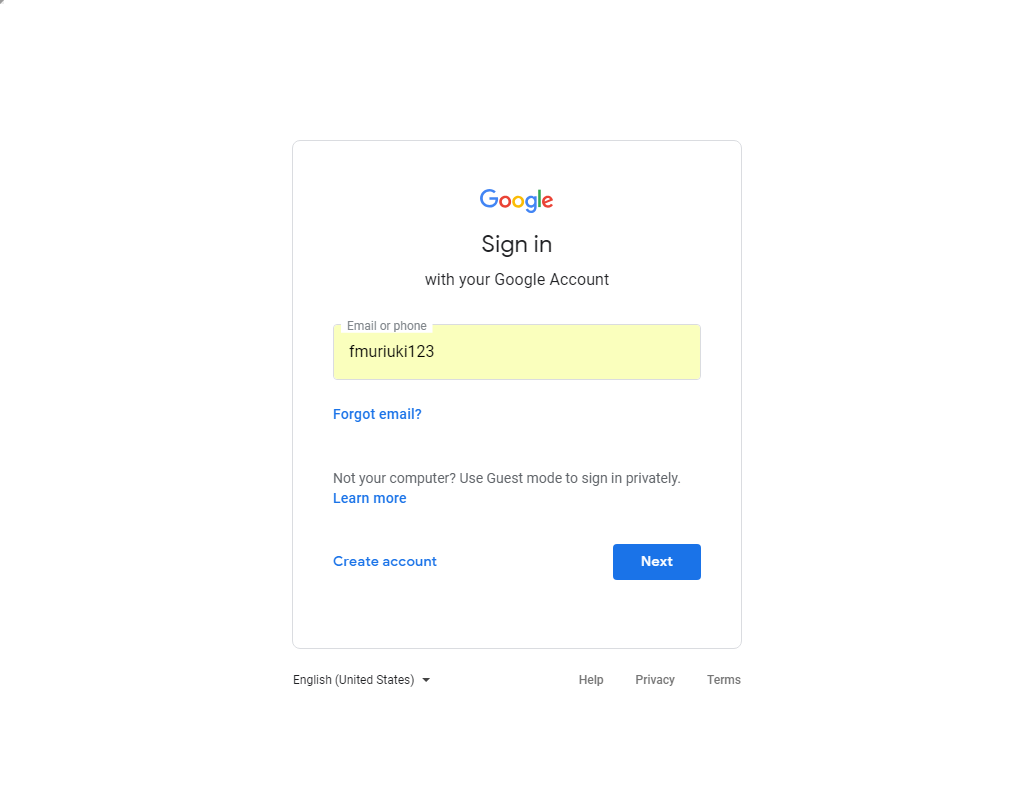
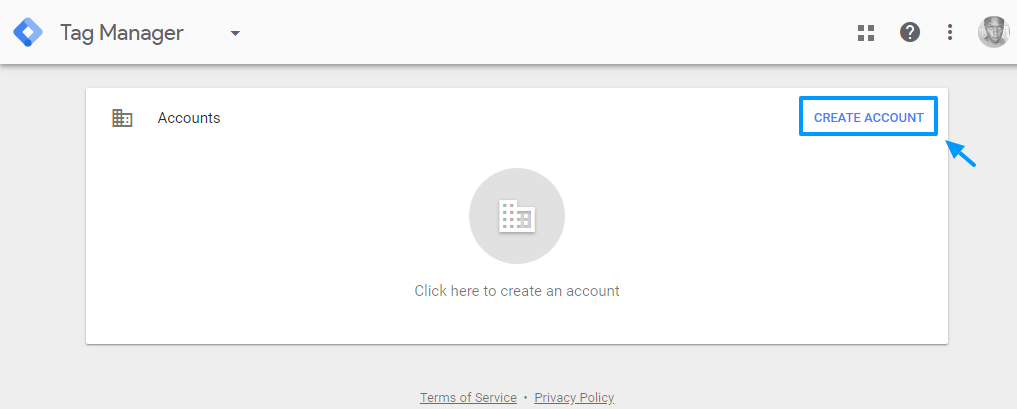
Вы будете перенаправлены на красивую панель администратора Google Tag Manager. Далее нажмите Создать учетную запись ссылка, как мы выделяем на скриншоте ниже.
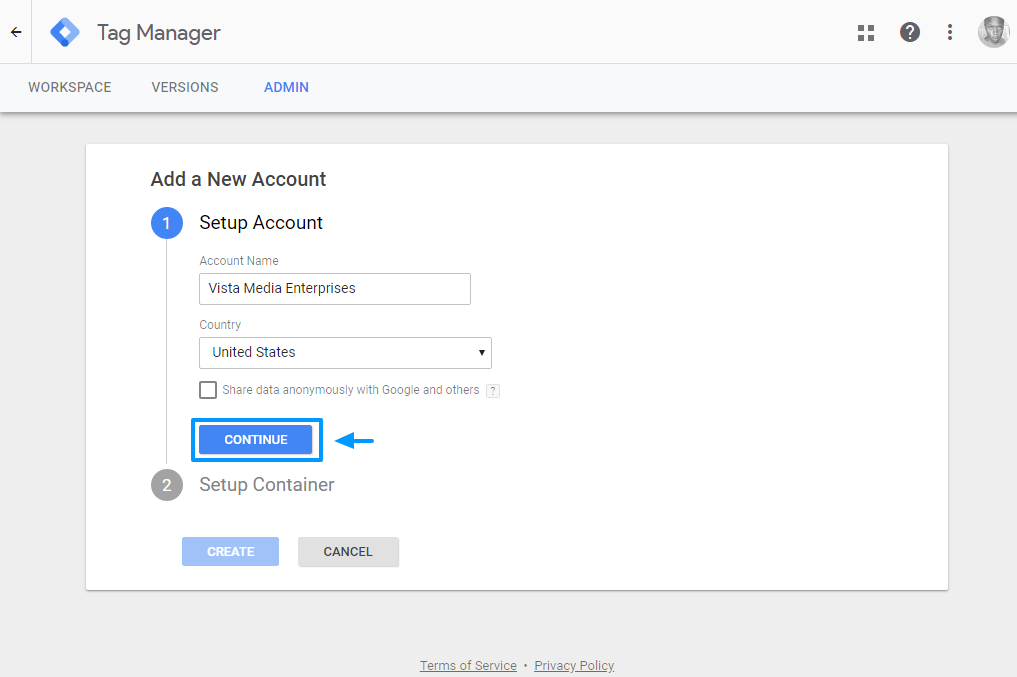
На следующем экране введите имя своей учетной записи (это может быть ваша компания), выберите свою страну и нажмите Продолжить кнопка.
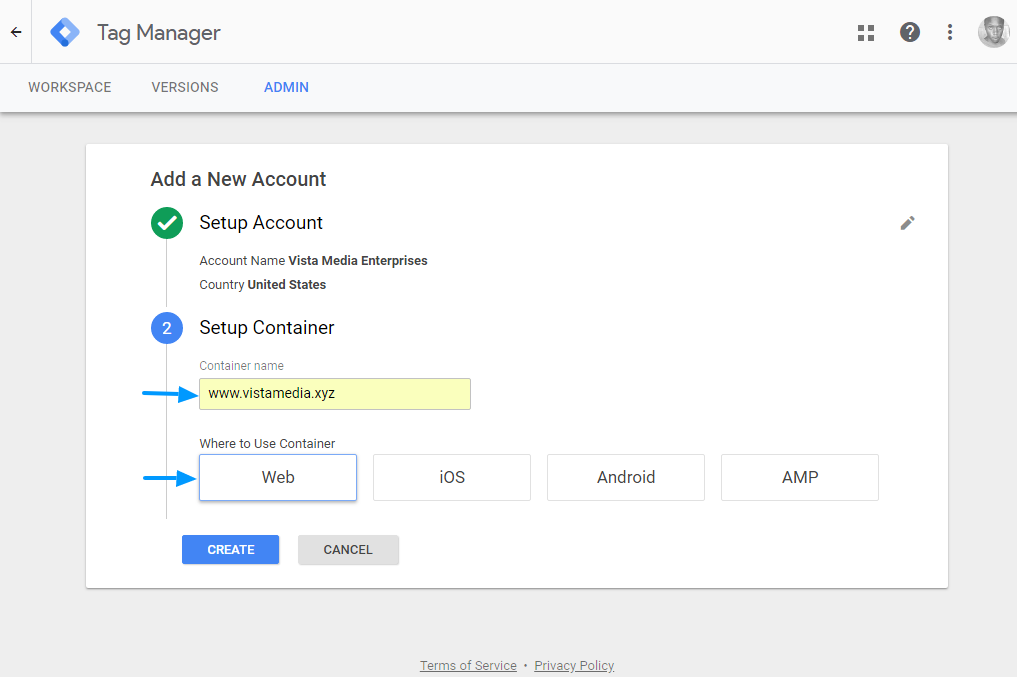
Далее введите ваше доменное имя в поле Название контейнера поле и выберите Web. После этого нажмите Создайте Кнопка, как мы подробно ниже.
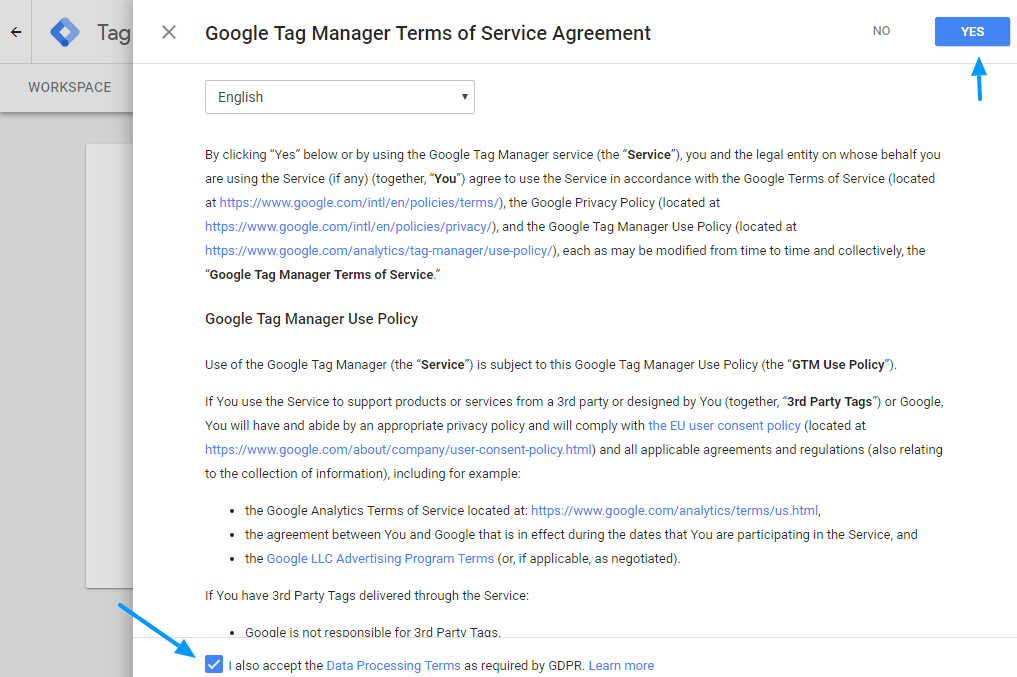
Примите условия соглашения об использовании Google Tag Manager и условия обработки данных, как показано на следующем рисунке.
Появится следующее всплывающее окно, содержащее ваши установочные коды Google Tag Manager.
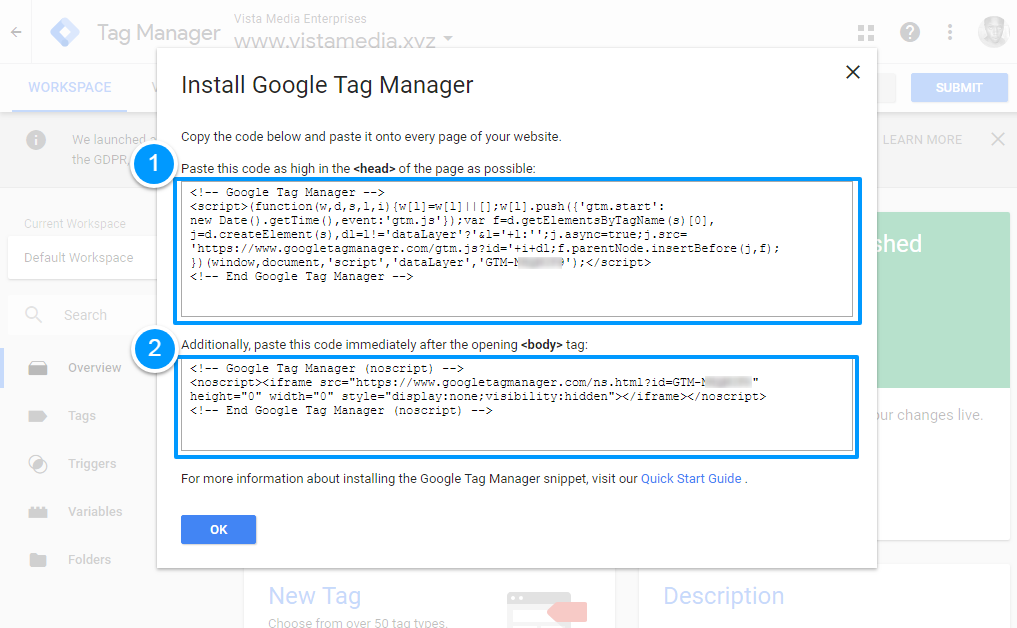
Оставьте открытую вкладку открытой, так как эти два кода понадобятся вам для ручной настройки Менеджера тегов Google на вашем сайте WordPress. Как вы заметили, GTM предлагает инструкции относительно того, куда вставлять коды, но это может быть непросто, если вы абсолютный новичок.
Не беспокойтесь, мы покажем вам, что делать в следующем разделе.
Важные замечания, прежде чем продолжить:
Настройка Google Tag Manager вручную
На новой вкладке войдите в свою панель администратора WordPress и перейдите к Внешний вид> Редактор.
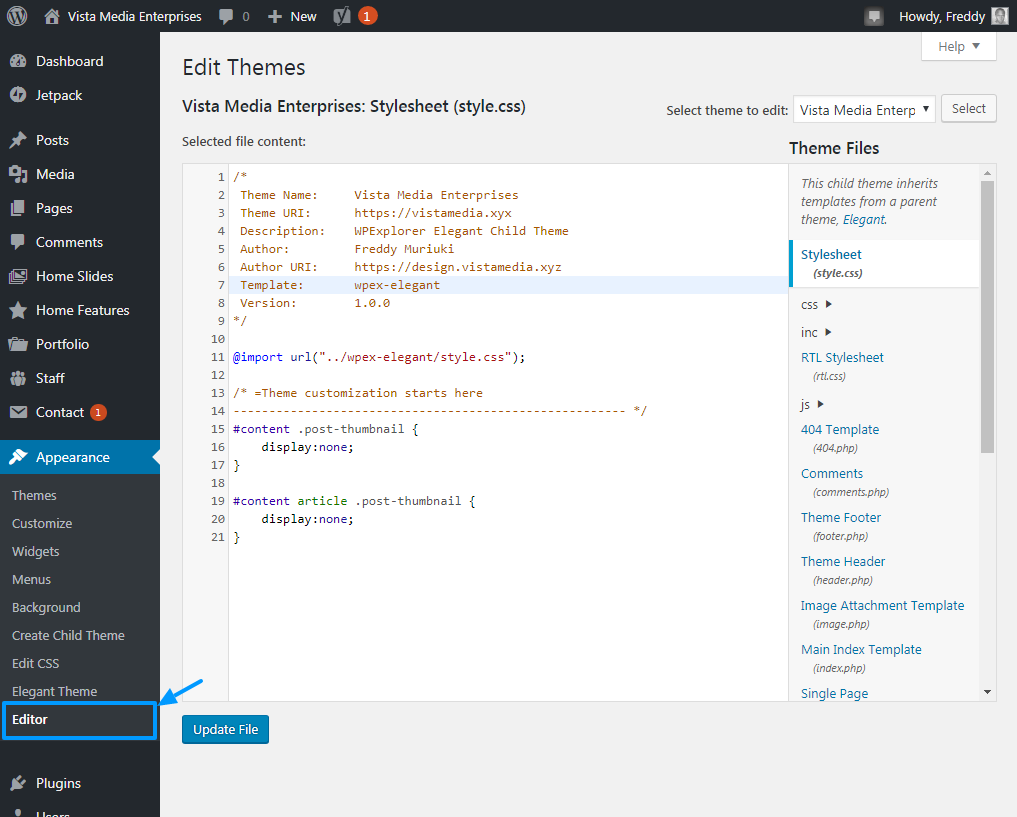
Обратите внимание, что на изображении выше мы используем дочернюю тему бесплатной темы Elegant WordPress в нашем примере. Мы также скопировали пару файлов, например header.php, footer.php, rlt.css а также 404.php на детскую тему. Мы вставим наши коды установки Google Tag Manager в header.php файл.
Нажмите на заголовок темы (header.php) из правого файлового навигатора для запуска header.php в редакторе тем.
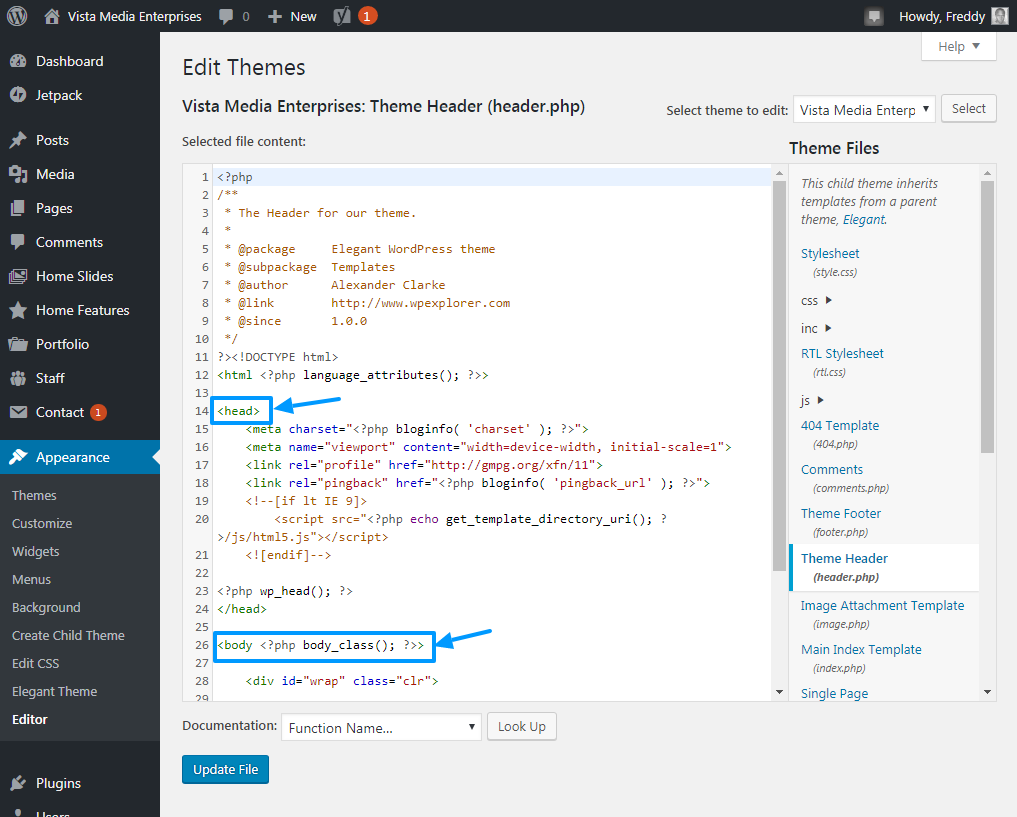
В инструкции к нашей учетной записи GTM говорится, что вам нужно вставить первый код в , и второй код сразу после открытия тег.
Можете ли вы увидеть а также теги в вашем header.php файл? тег в WordPress может выглядеть немного иначе. Например, наши выглядят как , Вы можете видеть это на изображении выше? Могу поспорить, что вы делаете так, давайте двигаться вперед.
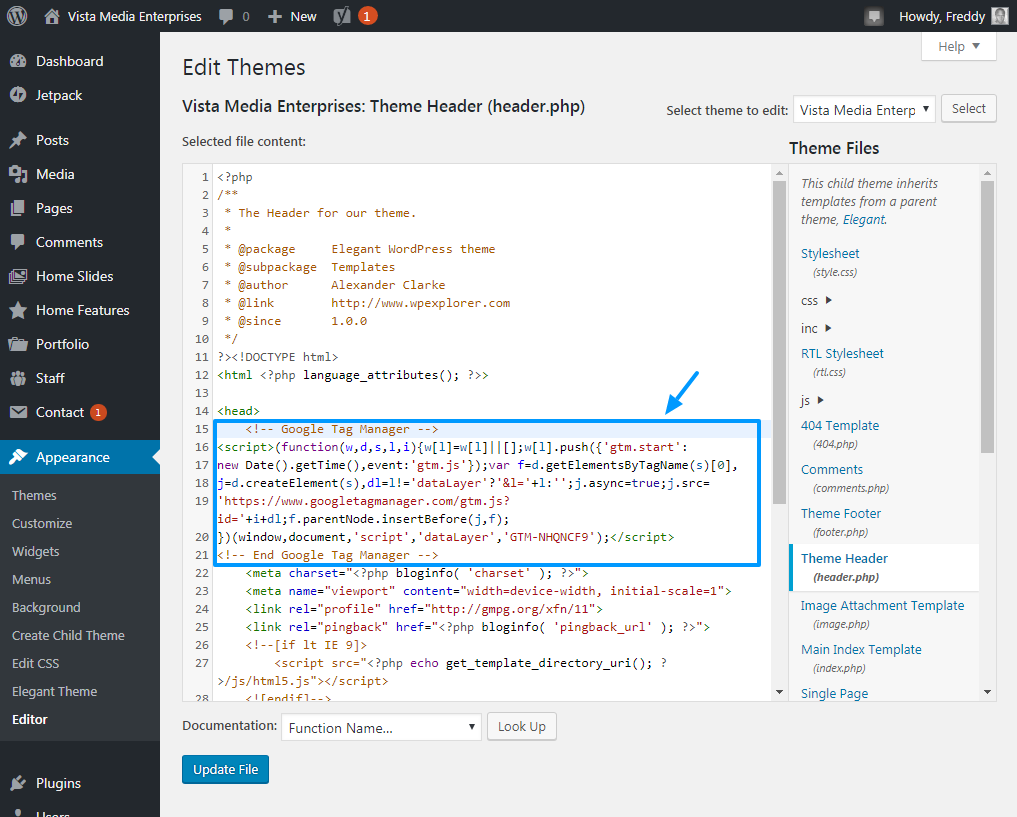
Скопируйте первый код из Google Tag Manager и вставьте его высоко в элемент, как показано на рисунке ниже.
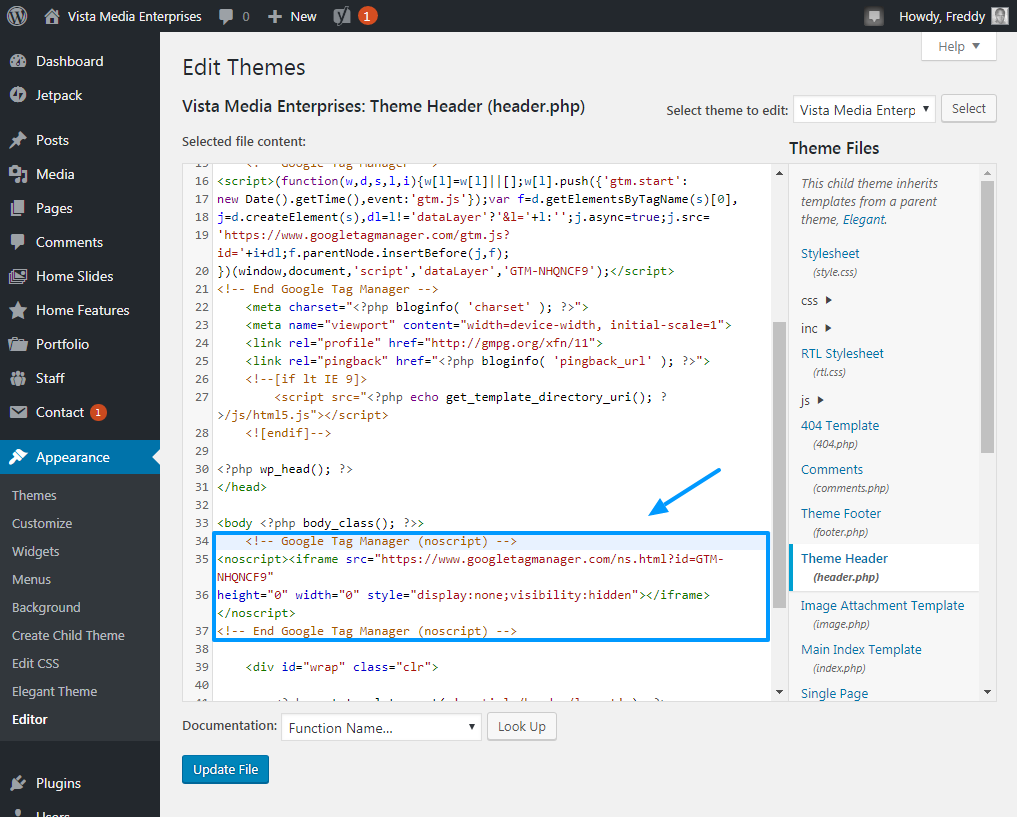
Затем скопируйте второй код и вставьте его сразу после открытия тег, как показано ниже.
Наконец, нажмите Обновить файл Кнопка в нижней части экрана, чтобы сохранить изменения. Теперь на вашем сайте установлен менеджер тегов Google. Довольно легко, а?
Но допустим, вы не любите редактировать код и предпочитаете использовать плагин.
Как добавить менеджер тегов Google в WordPress через плагин
Для этого раздела мы будем использовать изящный плагин, известный как Менеджер тегов Google DuracellTomi для WordPress. Он доступен в репозитории плагинов WordPress. Это означает, что вы можете установить его прямо с панели администратора WordPress. При этом давайте приступим к работе.
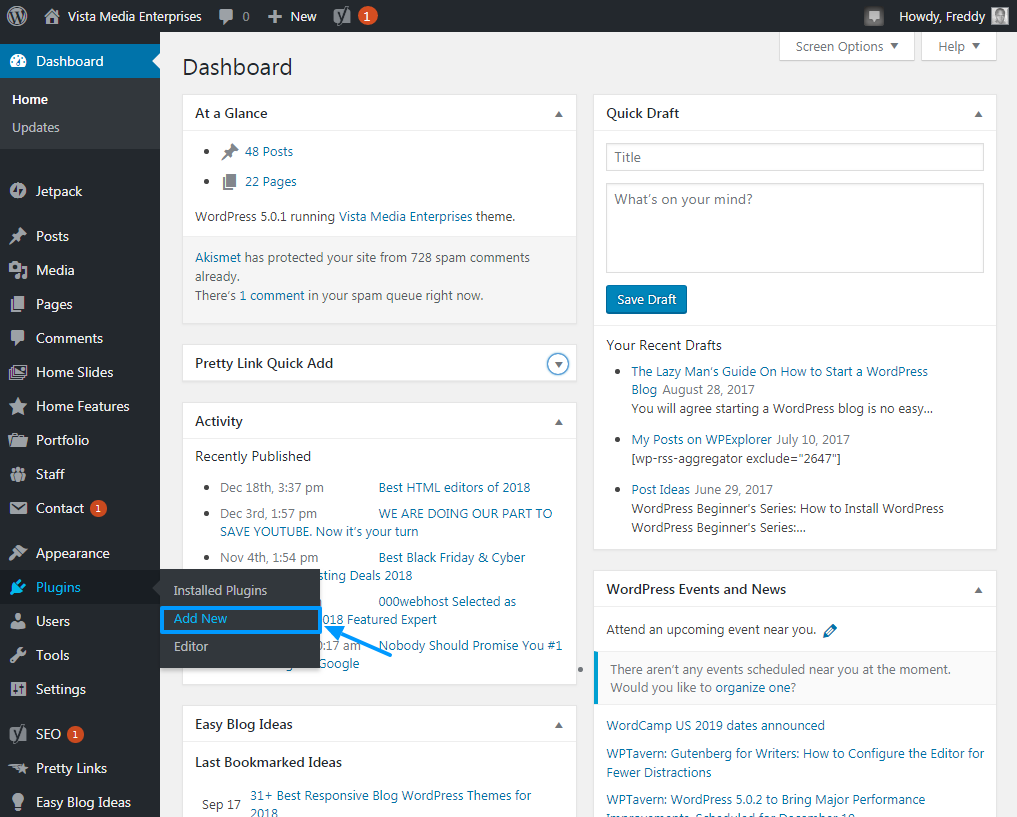
Перейдите к Плагины> Добавить новый в вашем админ-меню WordPress.
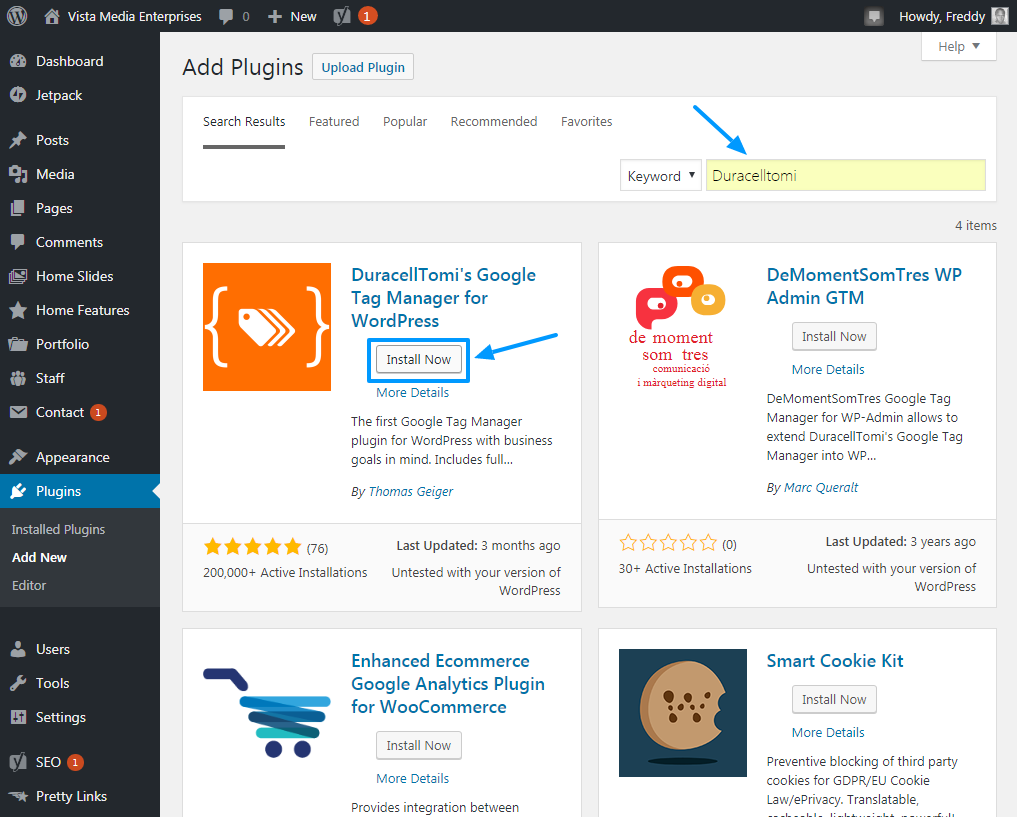
Введите Менеджер тегов Google DuracellTomi для WordPress в поле поиска, и, как только вы найдете плагин, нажмите Установить сейчас кнопка.
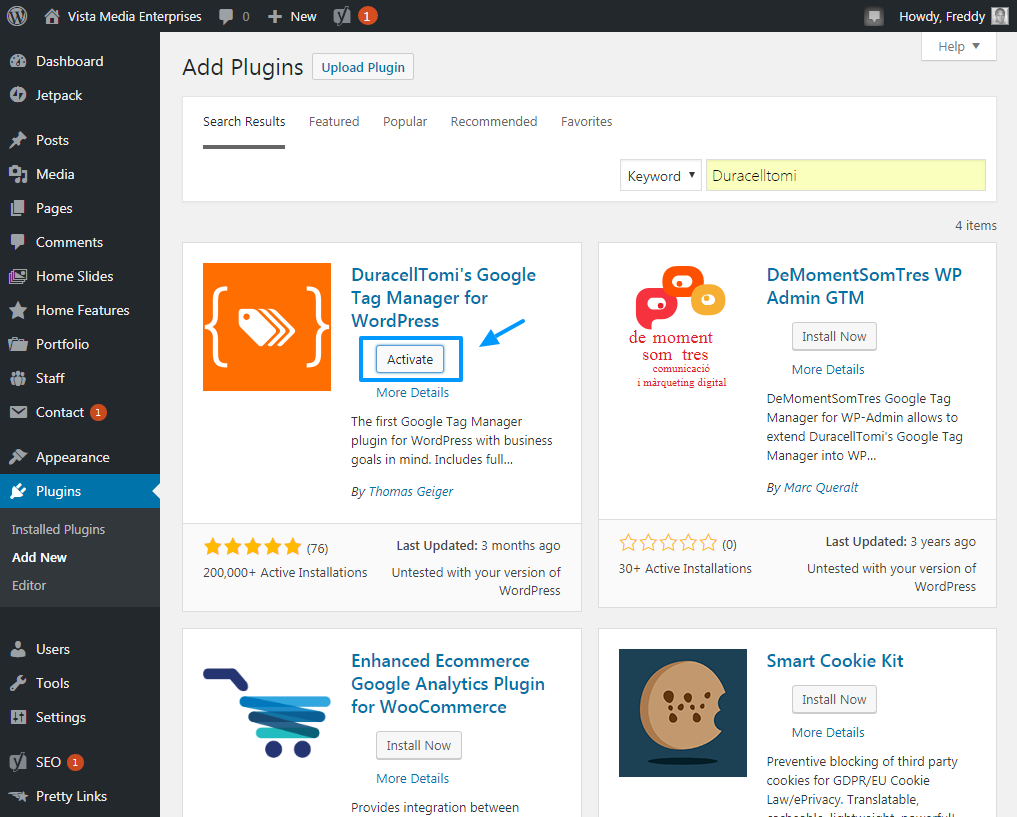
Как только вы установите плагин, нажмите активировать кнопка, как показано ниже.
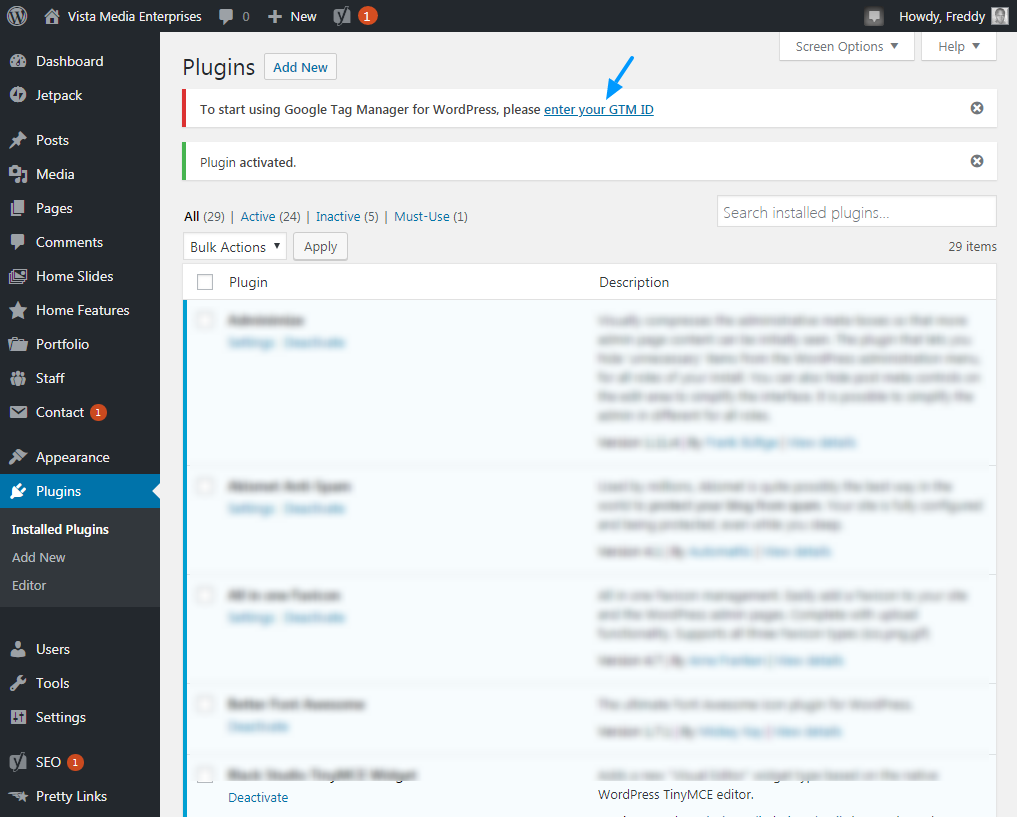
В верхней части экрана появится уведомление о том, что вам нужно ввести свой идентификатор GTM, чтобы начать использовать Google Tag Manager для WordPress. Нажмите на введите свой идентификатор GTM ссылка, как показано ниже.
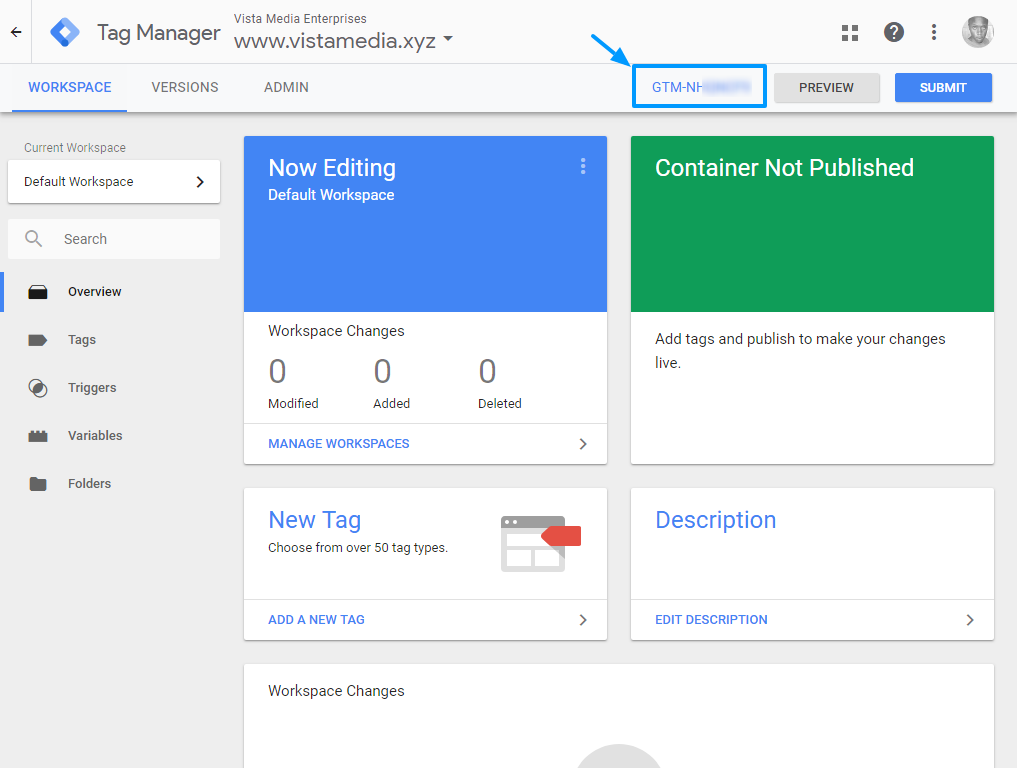
Вы можете найти свой идентификатор GTM в своей учетной записи Google Tag Manager, как показано ниже.
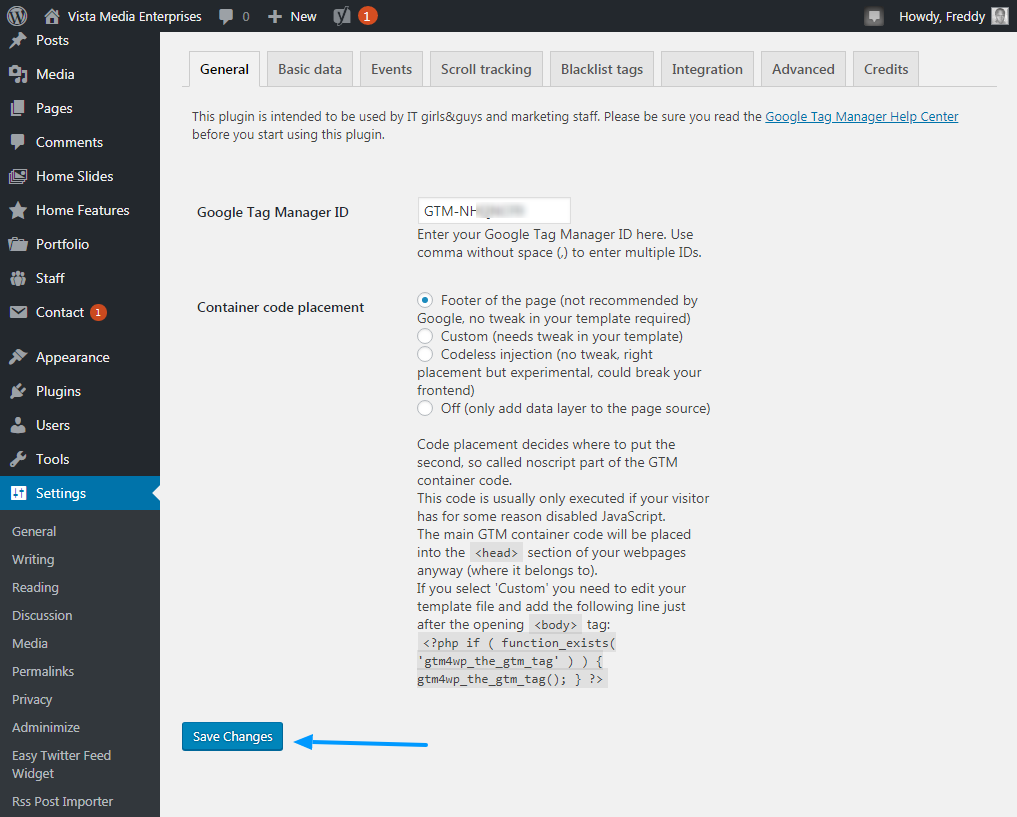
Скопируйте идентификатор GTM из учетной записи Google Tag Manager и вернитесь на панель администратора WordPress. Вернитесь на свой сайт WordPress, вставьте идентификатор GTM и нажмите Сохранить изменения кнопка, как показано ниже.
И это все! Вы только что узнали, как добавить Менеджер тегов Google на свой сайт WordPress с помощью плагина. Путь, приятель, путь. Вы быстро учитесь.
Теперь, когда вы можете успешно добавить Google Tag Manager на свой сайт WordPress, давайте проведем тест-драйв. В этой части мы добавим Google Analytics на ваш сайт, не вставляя в код код для вставки. header.php.
Если у вас уже есть код Google Analytics на вашем сайте, вам нужно сначала удалить его, или вы дважды захватите одни и те же данные. И мы определенно не хотим этого в ваших маркетинговых отчетах.
Как добавить Google Analytics на ваш сайт WordPress с помощью Google Tag Manager
Вернитесь к своему менеджеру тегов Google и нажмите Теги в левом меню навигации.
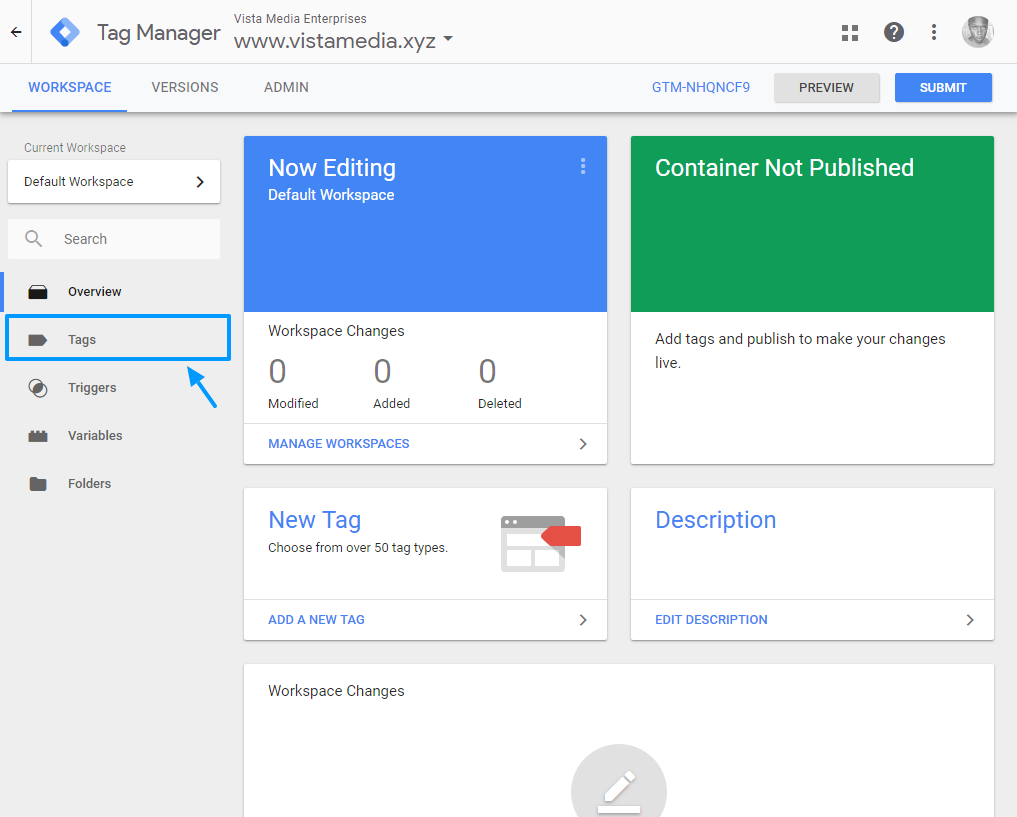
После этого нажмите новый кнопка, как показано ниже.
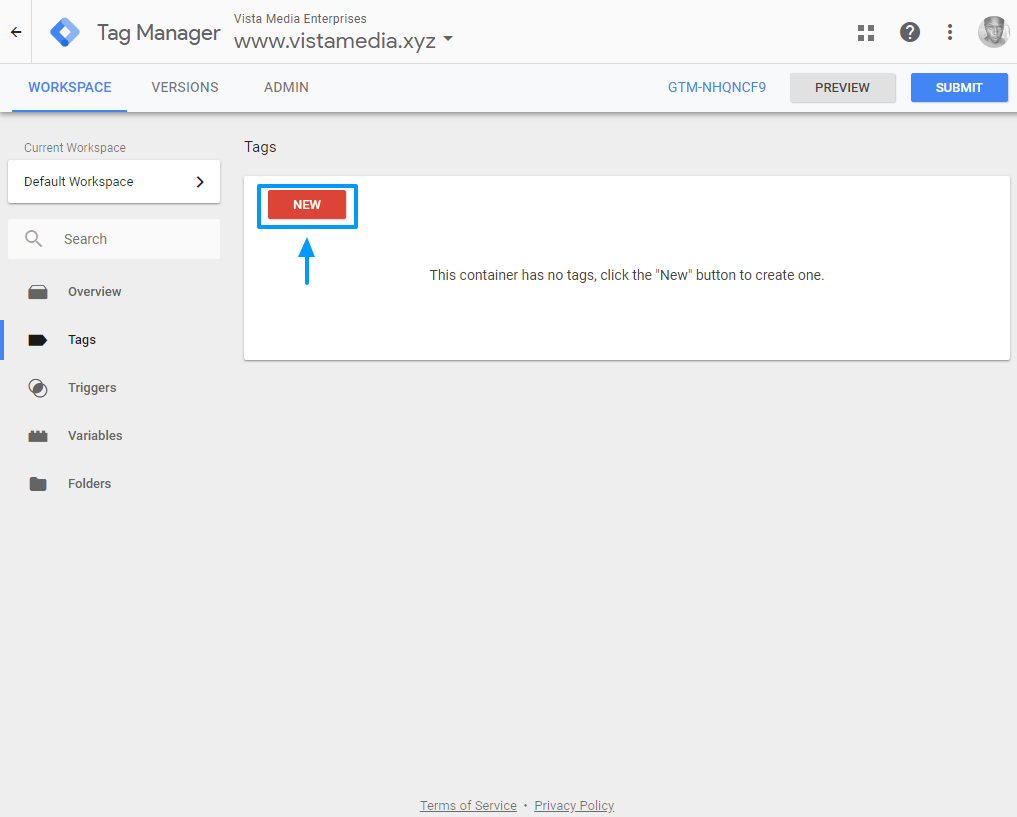
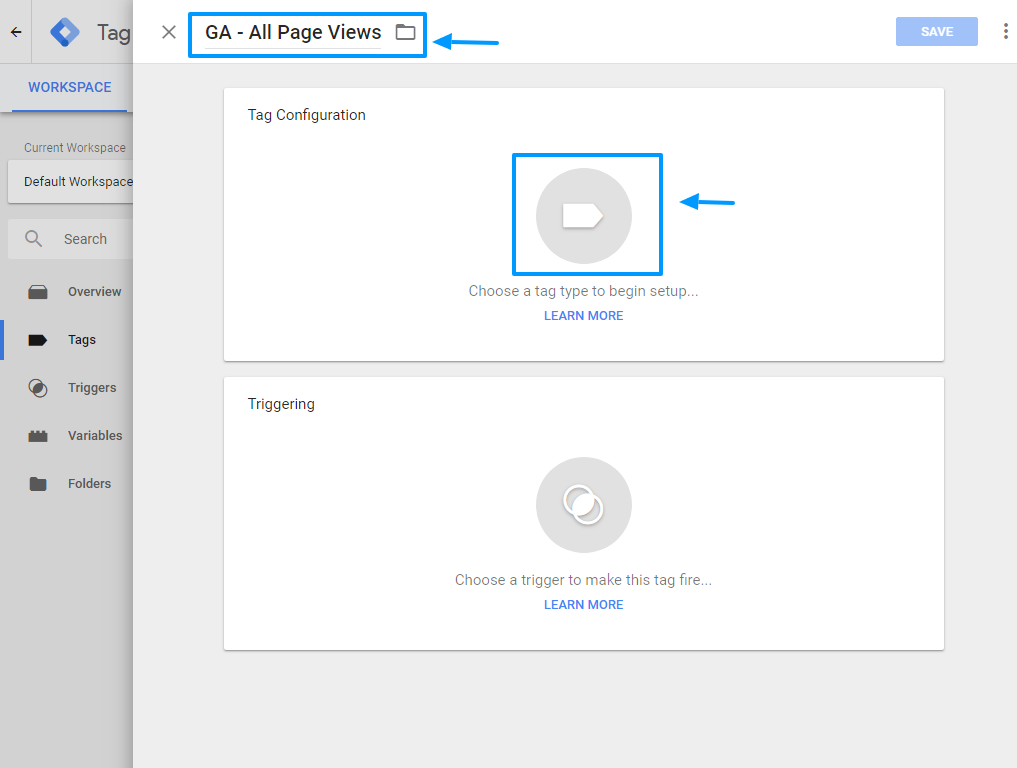
В появившемся всплывающем окне назовите свой тег, а затем нажмите Конфигурация тегов поле для выбора тега (Google Analytics в нашем случае).
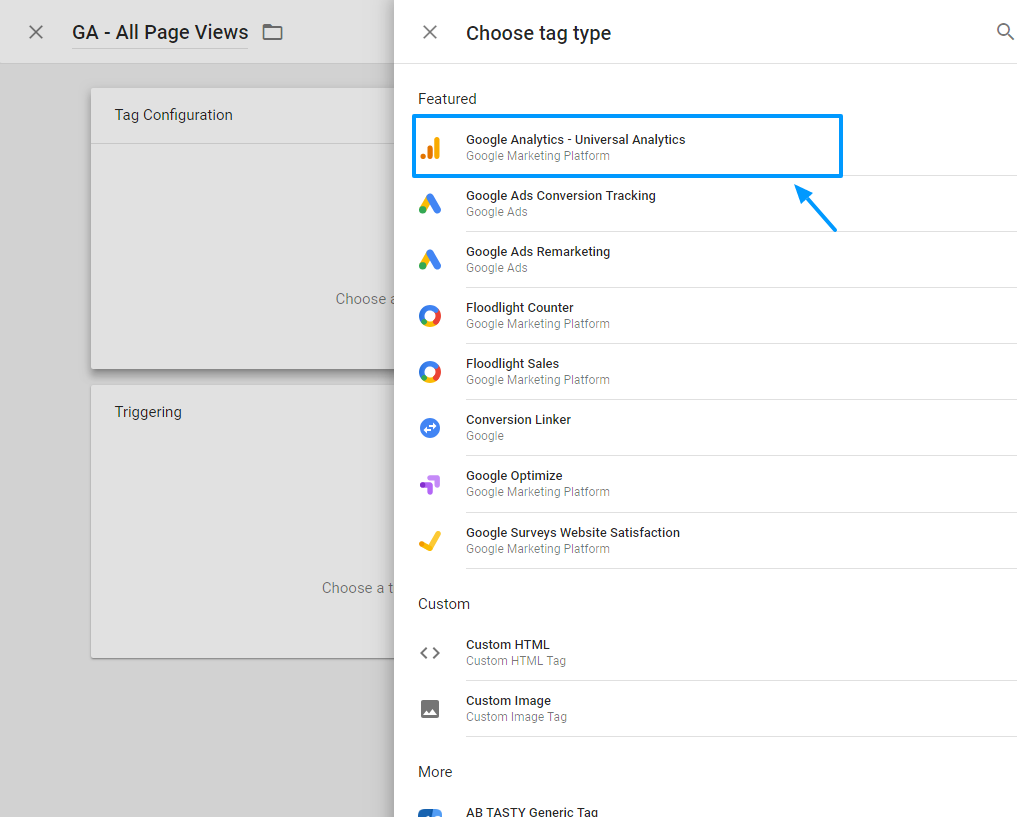
выберите Google Analytics — Универсальная аналитика как показано на следующем изображении.
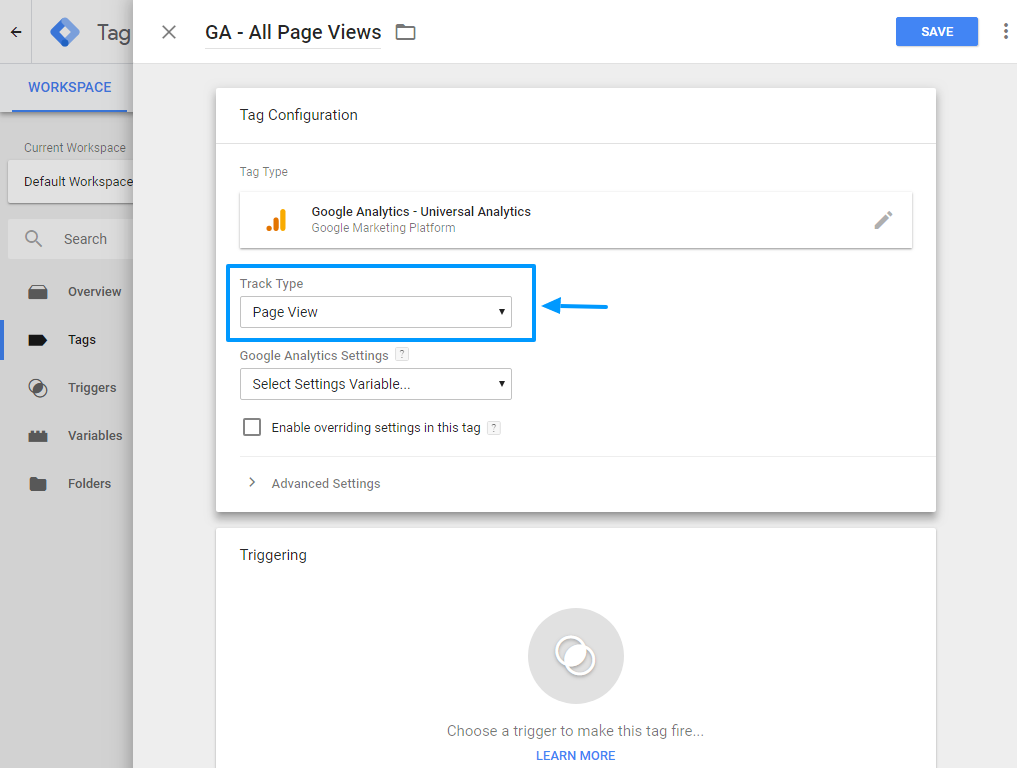
В результате вы вернетесь к настройке тегов. выберите Вид страницы под Тип трека так как мы хотели бы сообщать обо всех просмотрах страниц в Google Analytics. Смотрите изображение ниже.
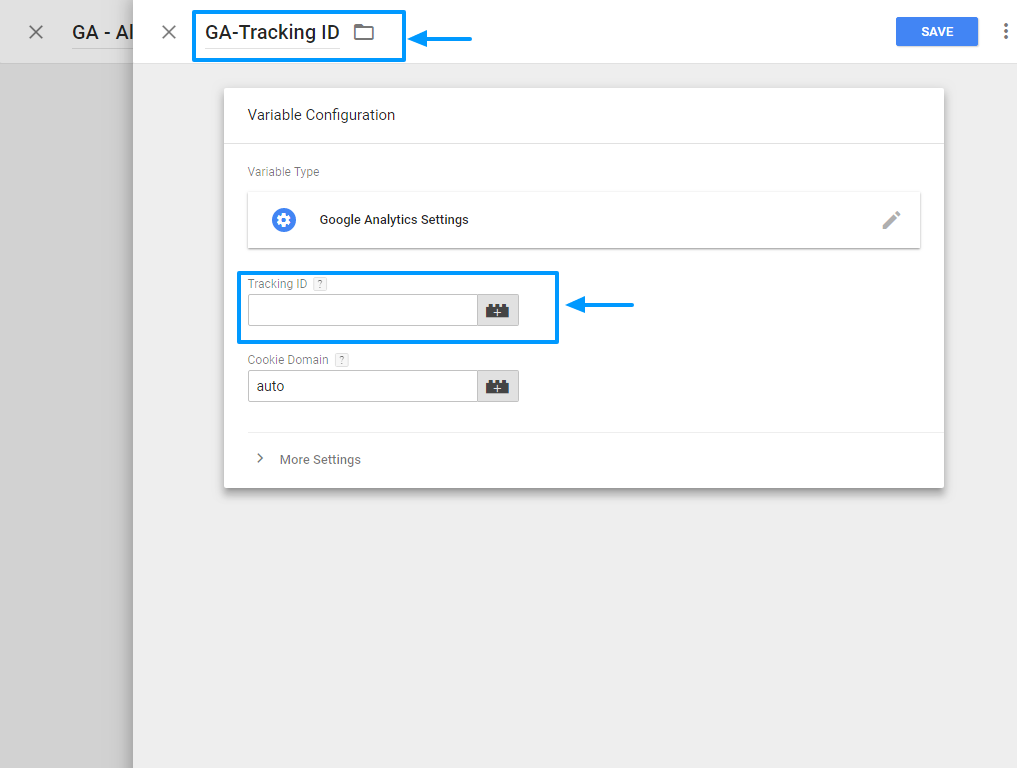
Под Настройки Google Analytics, выбирать Новая переменная. Откроется новое окно, в котором вы введете свой идентификатор отслеживания Google Analytics. Не забудьте назвать свою переменную, как показано на рисунке ниже.
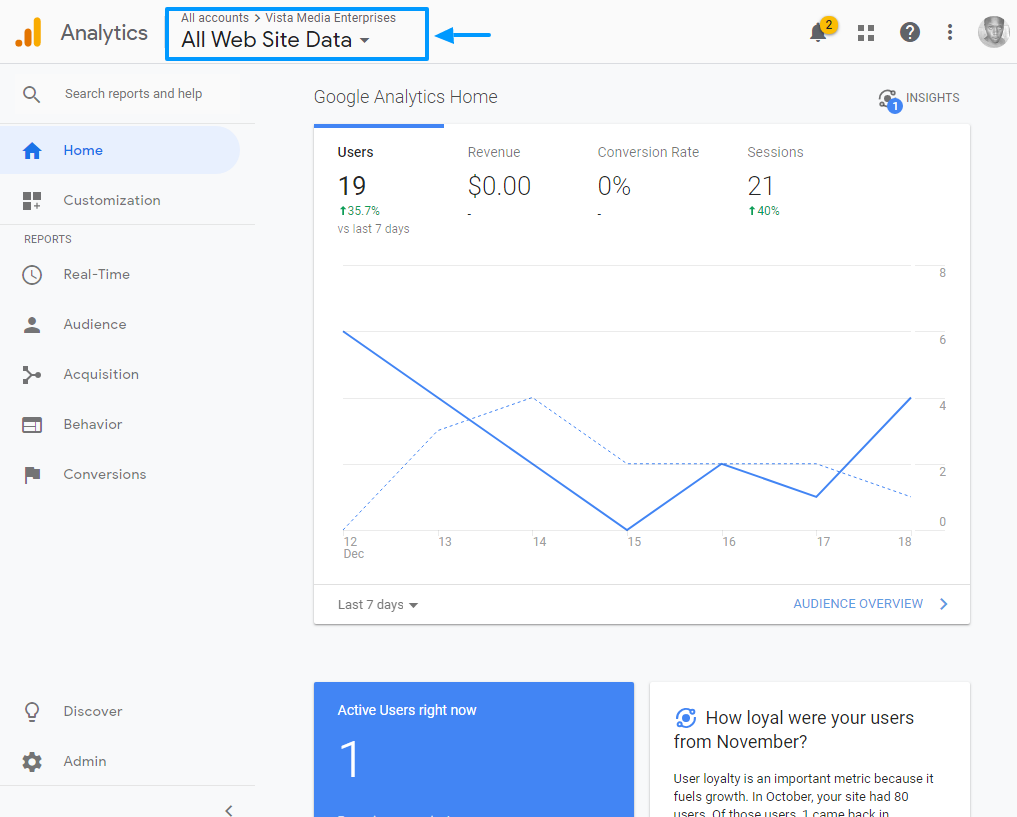
Чтобы найти свой идентификатор отслеживания Google Analytics, войдите в свою учетную запись Google Analytics и выберите учетную запись для своего сайта WordPress (сделайте это, если у вас есть несколько веб-свойств в вашей учетной записи Google Analytics).
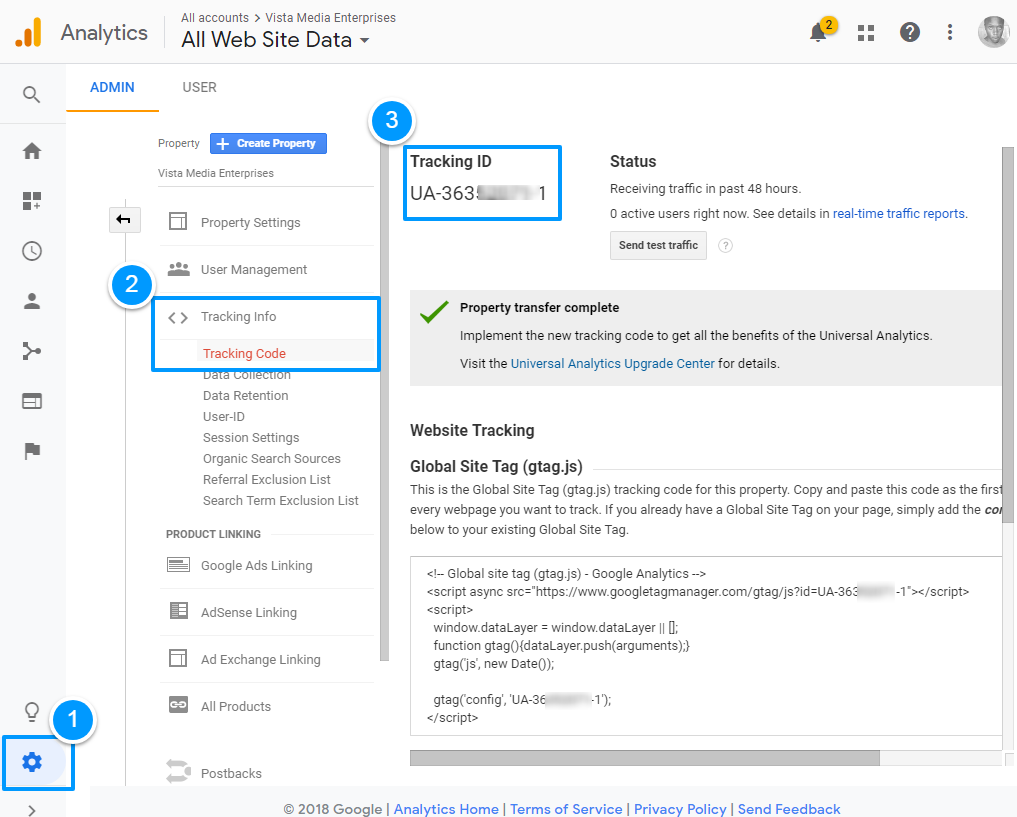
Далее нажмите Администратор и перейдите к Информация об отслеживании> Код отслеживания. Вы должны увидеть свой идентификационный номер, так как мы выделяем пункт №. 3 ниже.
Скопируйте идентификатор отслеживания и вставьте его в поле конфигурации переменной. Затем нажмите Сохранить кнопка, как показано ниже.
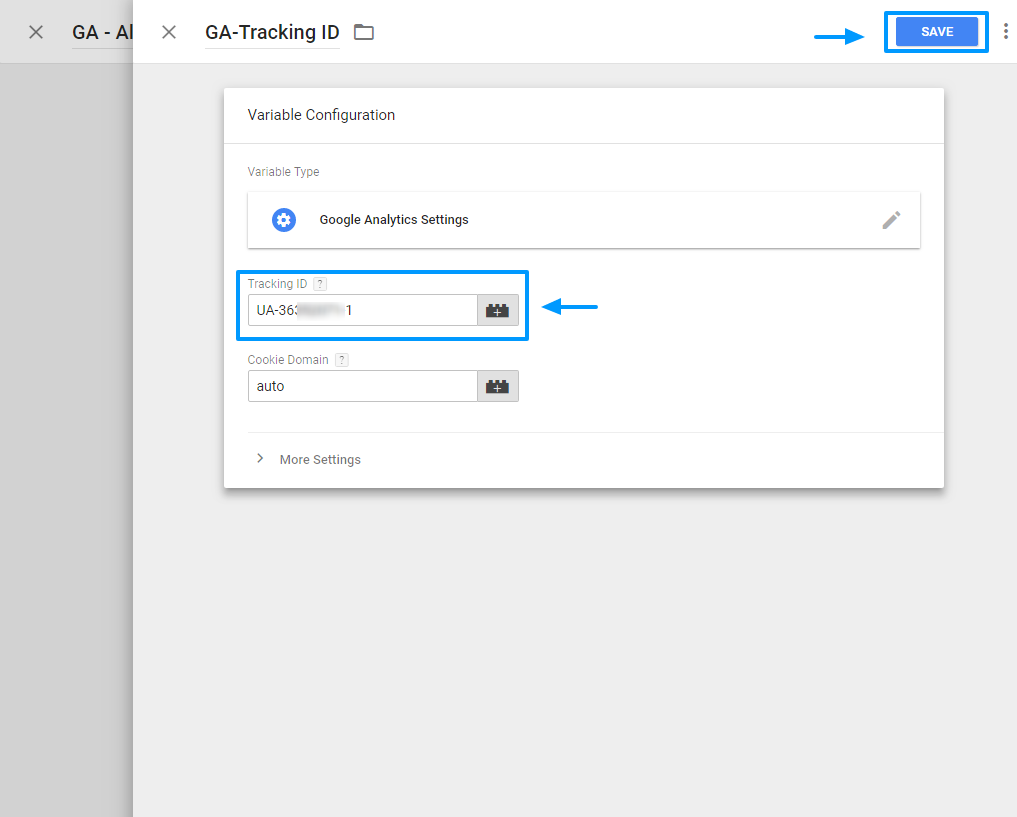
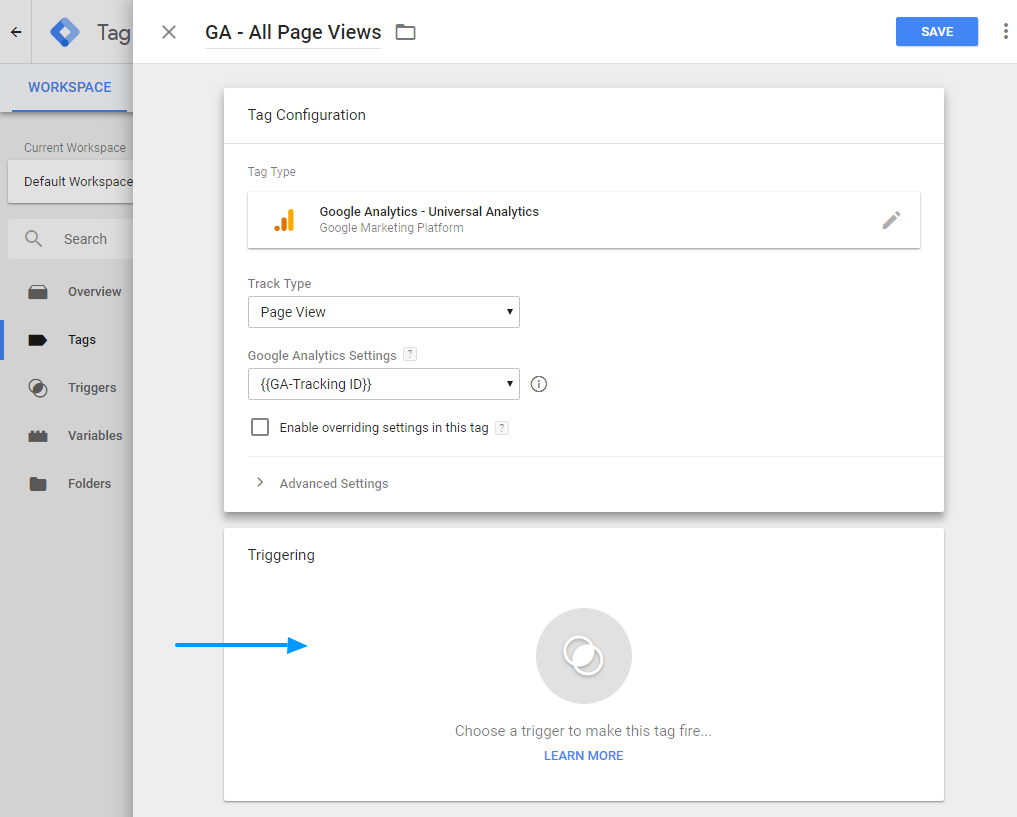
Теперь нам просто нужно установить триггер для тега Google Analytics. Нажмите Инициирование выбрать или создать новый триггер.
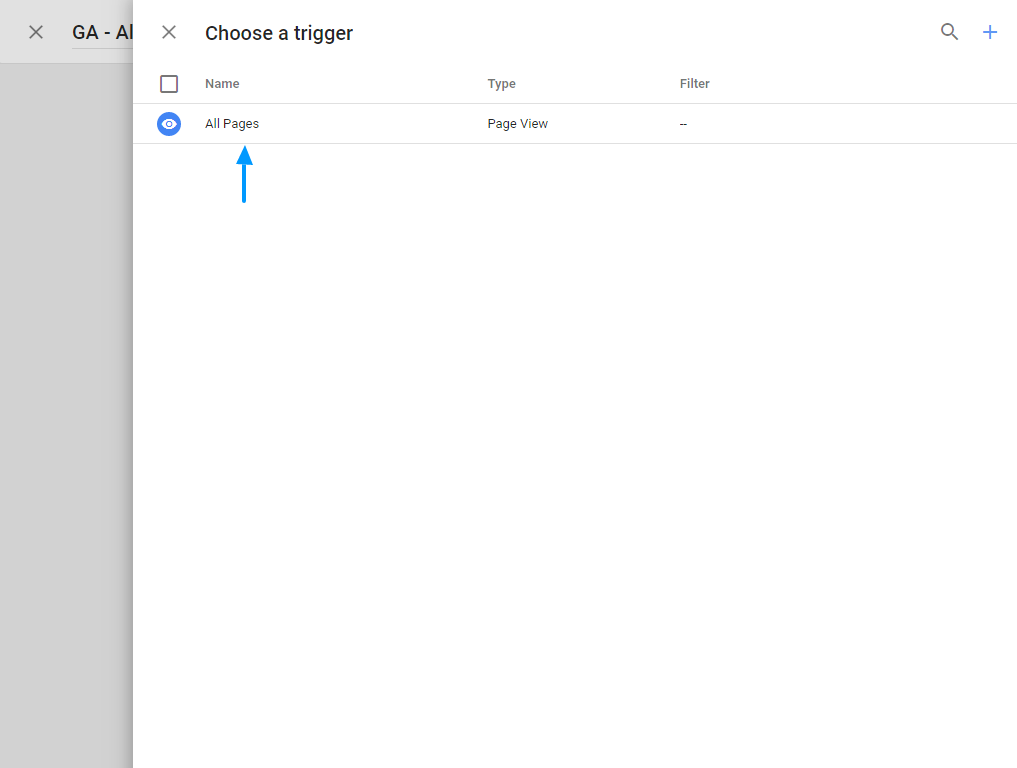
Поскольку мы хотим отслеживать трафик на всех страницах, мы можем использовать существующий триггер (или создать новый пользовательский. Чтобы сэкономить время, я выбрал существующий Все страницы вызвать как показано ниже.
Наконец, нажмите Сохранить кнопка.
Тестирование вашего тега
Ваш тег Google Analytics еще не размещен на вашем сайте, но вы можете проверить, работает ли он, нажав предварительный просмотр Кнопка, как мы иллюстрируем на следующем изображении.
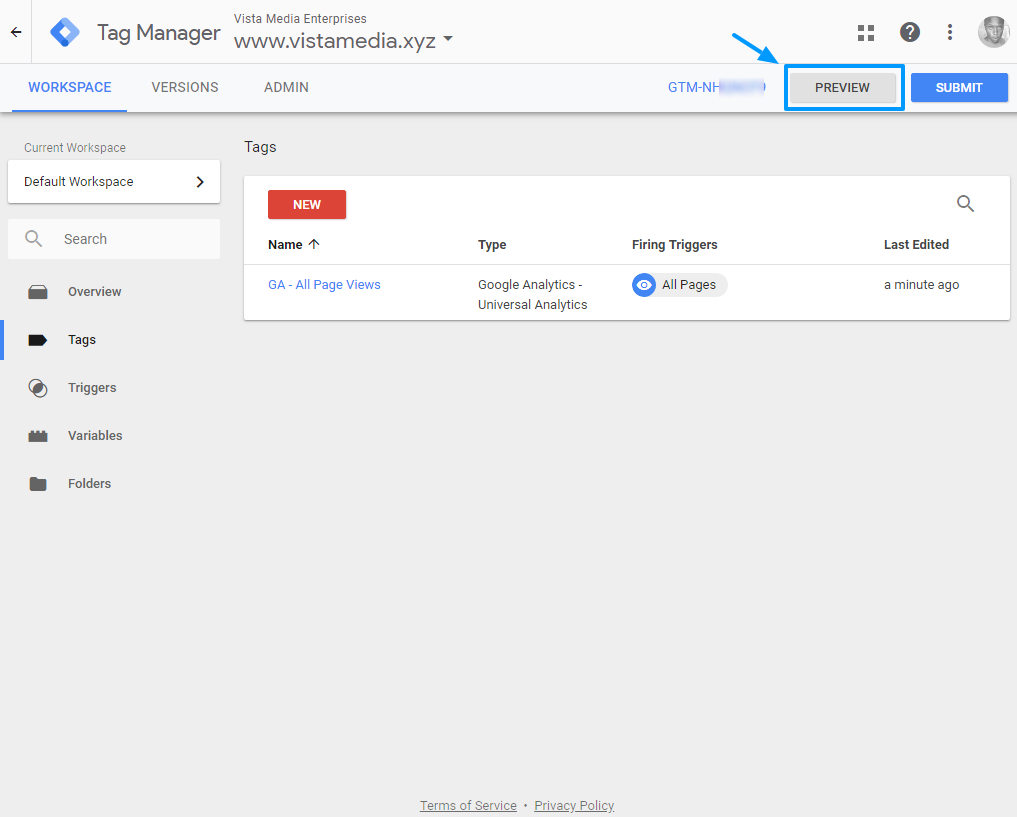
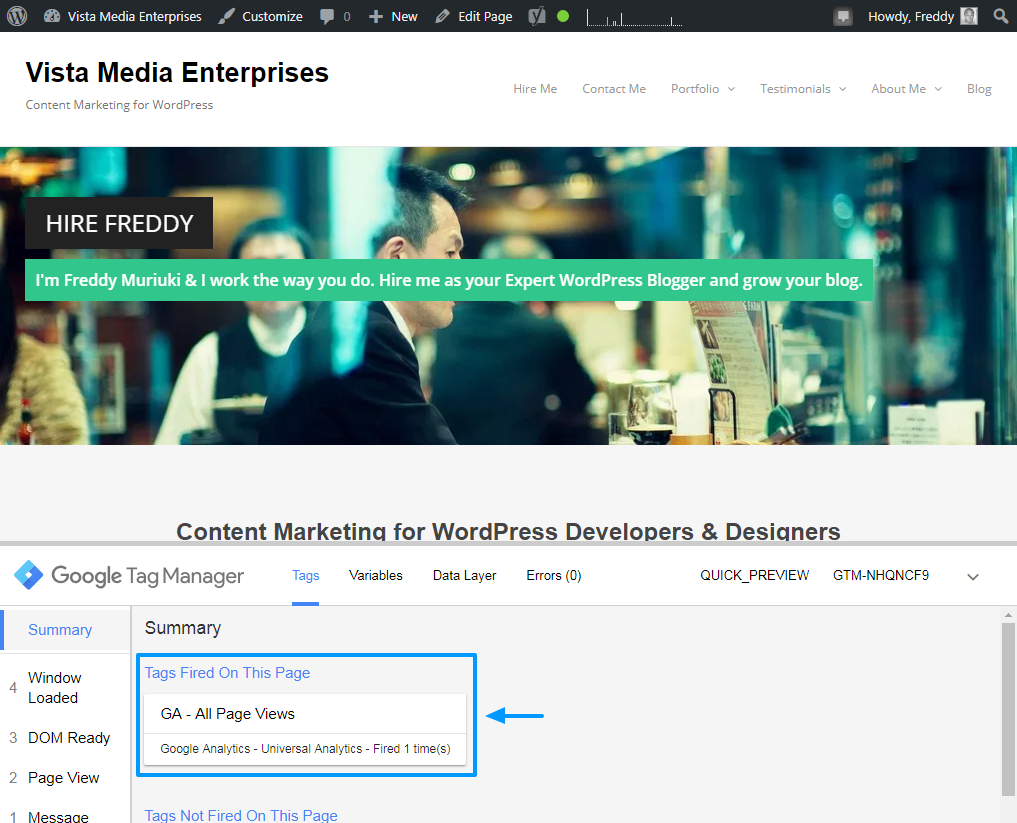
Как только Google Tag Manager перейдет в режим предварительного просмотра, перезагрузите свой сайт. В окне консоли диспетчера тегов Google в нижней части окна браузера вы должны увидеть тег, запущенный при перезагрузке сайта.
Если вы войдете в свою учетную запись Google Analytics и перейдите к В реальном времени, Вы увидите только что запущенный просмотр страницы при перезагрузке сайта.
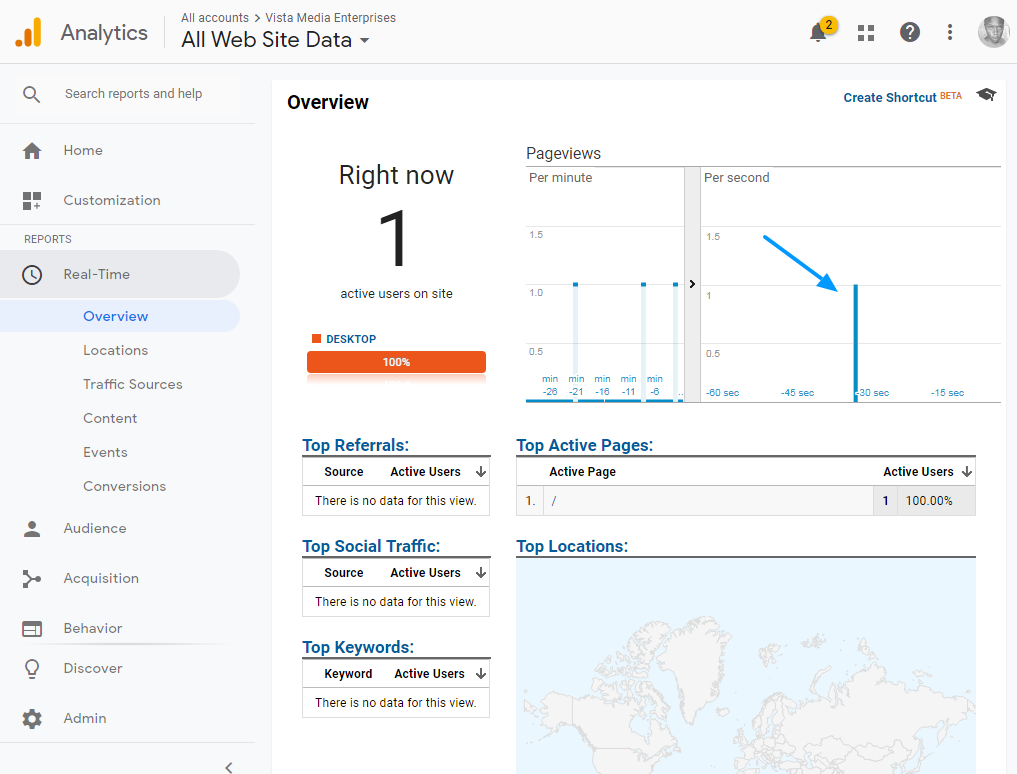
Вот оно! Конечно, вы можете увидеть это на изображении выше? Давай, я добавил стрелку, чтобы тебе было легче. Помните, что нам не нужно было добавлять Google Analytics (код JavaScript) непосредственно на наш сайт для сбора данных — все отчеты о данных передаются в Менеджер тегов Google.
То же самое относится ко всем тегам, которые вы добавляете через Менеджер тегов Google — вы никогда не добавите код на свой сайт. Как приятно?
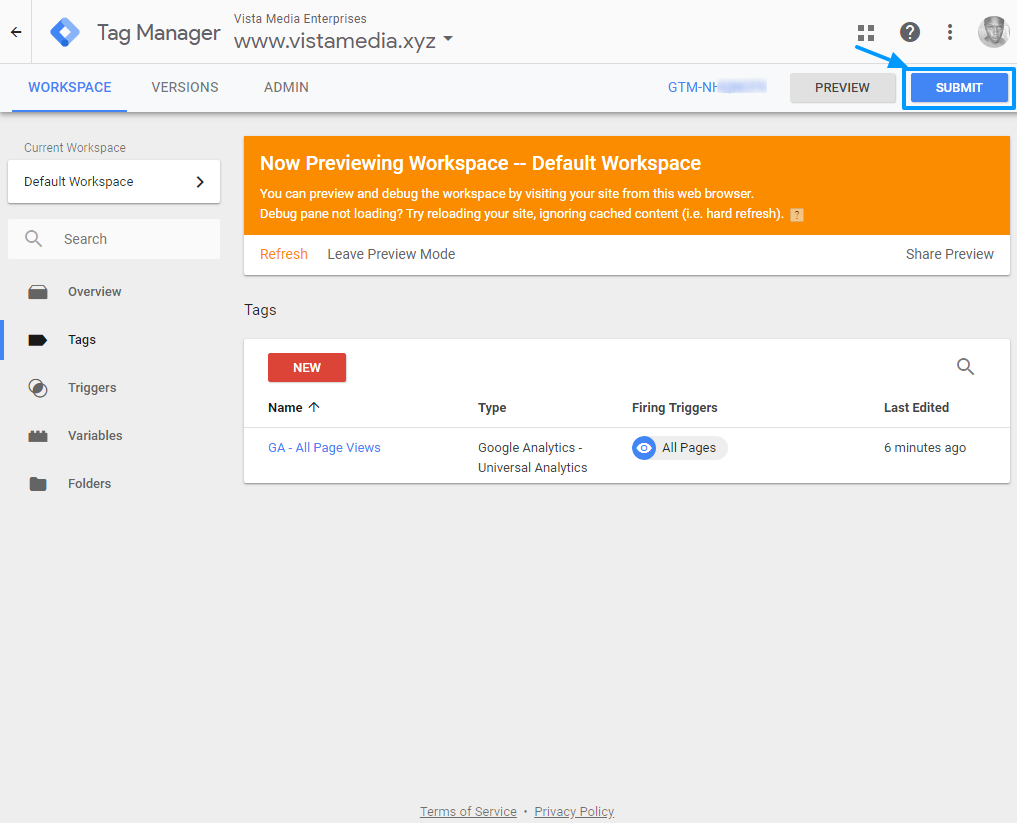
Но наш тег Google Analytics доступен только нам, а не пользователям, которых мы собираемся отслеживать. Чтобы тег появился на сайте и начал записывать фактические данные, просто нажмите Отправить кнопка, как показано ниже.
Это запустит всплывающее окно, которое позволит вам назвать свою версию и добавить описание. Смотрите изображение ниже.
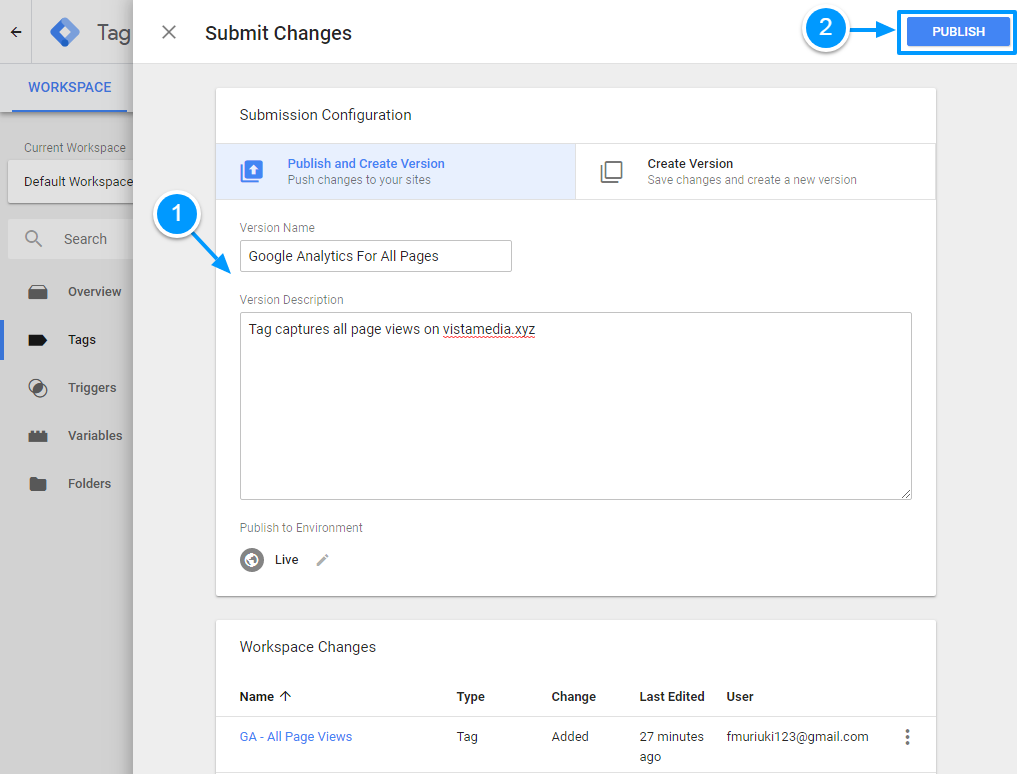
Наконец, нажмите Публиковать Кнопка, как показано на рисунке выше. В конце концов, ваша живая Google Analytics должна выглядеть примерно так:
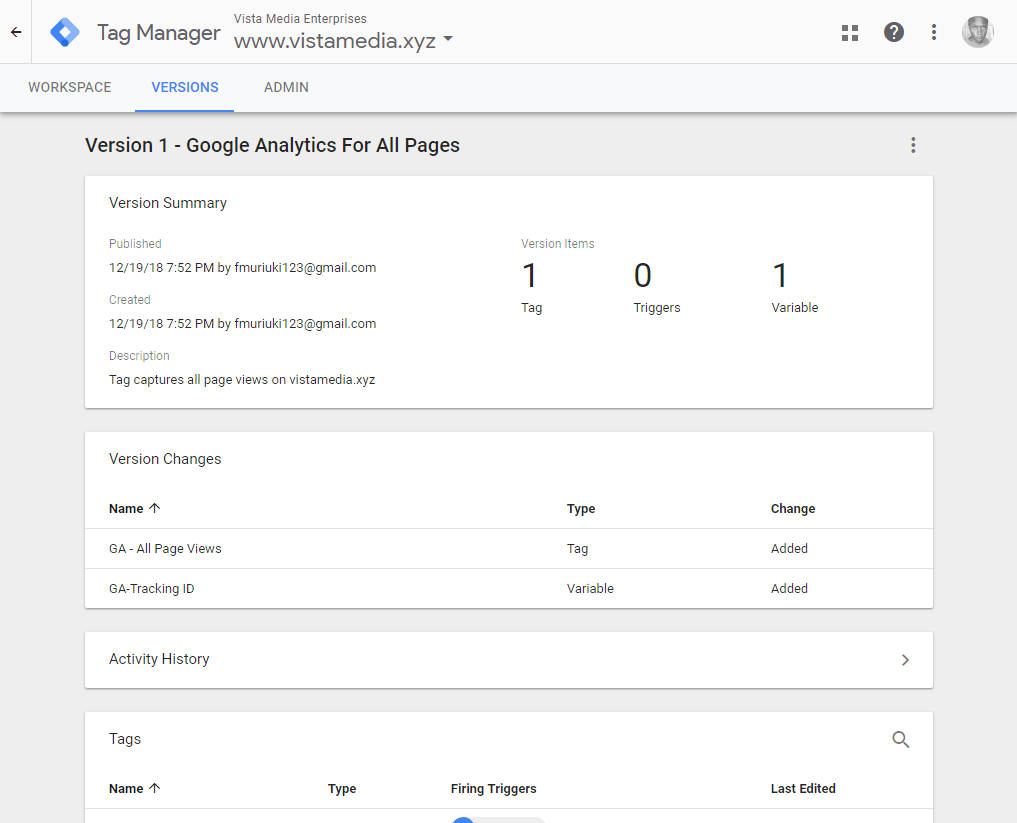
Дамы и господа, это то, как вы можете использовать возможности Google Tag Manager. Вы можете добавить миллион и один тег аналогичным образом, и ваш сайт не будет нести весь код. Я призываю вас изучить Менеджер тегов Google, чтобы узнать, сколько вы можете достичь с помощью этого инструмента.
Между тобой и мной я продан и, как ты мог заметить. Это первый раз, когда я установил эту штуку в своем блоге. Я планирую использовать Google Tag Manager и в других моих блогах.
Дополнительные ресурсы
Мы надеемся, что наш учебник направил вас в правильном направлении в том, что касается понимания и реализации Google Tag Manager на вашем сайте WordPress. Если вы хотите узнать больше, вот пара дополнительных ресурсов (мы обещали, не так ли?) Для вашего удовольствия от просмотра.
Заключение нашего руководства по Google Tag Manager для WordPress
Google Tag Manager — это мощный инструмент, который дает вам много возможностей для управления тегами и сбора полезных данных.
Вы можете легко и быстро настроить инструмент, а значит, у вас будет больше времени, чтобы спланировать, как вы будете использовать все данные, которые собираете. Сбор своевременных данных тоже здорово. Так почему бы не попробовать?
Есть мысли или вопросы по поводу Google Tag Manager? Давайте учиться вместе. Поделитесь своими мыслями в разделе комментариев ниже. Приветствия и счастливого интеллектуального анализа данных!
What is Amazon Attribution and How to Use It

If you’ve ever tried driving traffic from external sources to your Amazon listings to increase sales, you’ll know how frustrating it can be.
Like a digital Bermuda Triangle, once your potential customers click the link in your ad, blog post or landing page, and crossed into the Amazon ecosystem, you were pretty much left to guess whether they actually followed through and purchased.
That is, until earlier this year, when Amazon rolled out the beta version of its Amazon Attribution program.
In this article, I’ll talk through what Amazon Attribution is, why you need it, and how it works.
Topics Covered
A Quick Primer Of Off-Amazon-To-Amazon Marketing Before Amazon Attribution
The biggest problem with tracking your Off-Amazon-To-Amazon marketing campaigns (before the Amazon Attribution program was around) is that buyers that didn’t arrive at your listing from Amazon PPC were lumped into the same pot.
So if you made 200 sales, and you knew 75 were from Amazon PPC, you were left with 125 buyers who could have come from paid ads, organic, or could have found their way to your listing from, well, anyway, there was no way you could tell.
And if you couldn’t attribute a sale to a specific piece of off-Amazon marketing there was no way to tell if it was working, or which part of your sales funnel needs to be optimized.
Why send ad traffic straight to Amazon?
- Some brands only exist on Amazon
- Even if you have your own website people may trust Amazon more
- Making sales from traffic driven to your listing from off Amazon can help boost your ranking, which increases your chance of Amazon customers purchasing, which increases your chance of sales, which increases your ranking… and so on.
Related Reading: The Amazon Flywheel
Why You Need Amazon Attribution
The clue’s in the name: Amazon Attribution allows you to finally attribute sales to your off-Amazon marketing.
So now, when someone buys, you know exactly what path they took to get to your listing.
This is huge because this data allows you to track Amazon customers throughout your entire sales funnel, kill ads that aren’t working, optimize the ones that are, and increase your overall ROI on ad spend.
Alternatives to Amazon Attribution
There are a couple of alternatives to Amazon Attribution that astute Amazon sellers have been using for some time.
Amazon Associates Tracking Links
This is the most popular way to track external link. You sign up for an Amazon associates account and create affiliate links for your external links. The affiliate revenue you receive will represent the sales you received from your external links. You can also sign-up for multiple Tracking IDs which provides one more layer of granularity.
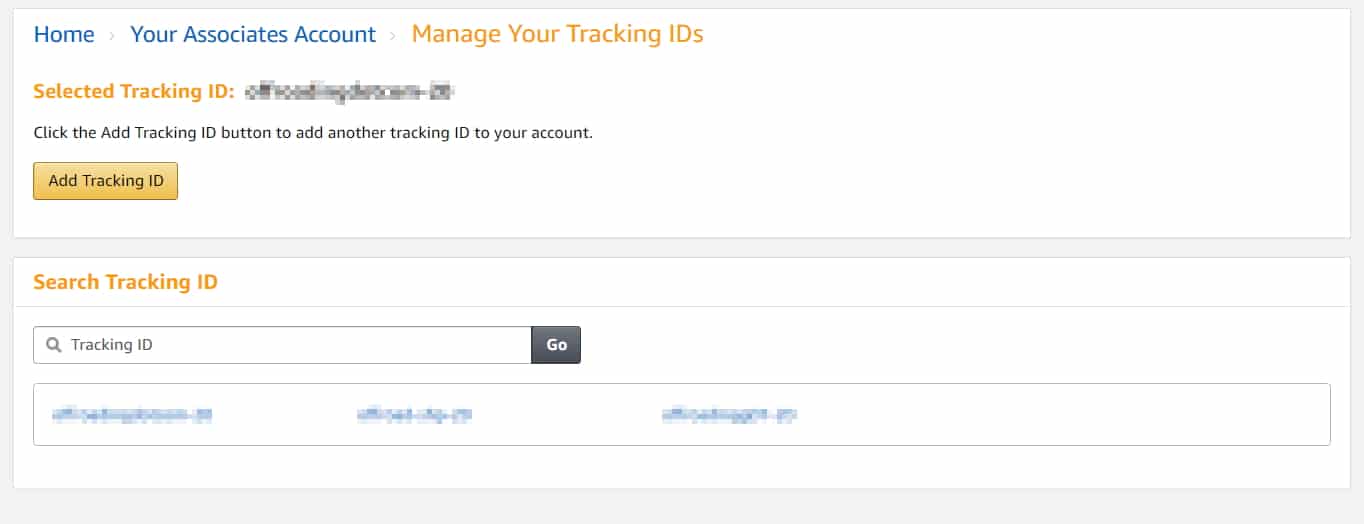
The big advantage this technique is that you will receive affiliate revenue, typically of around 2%. This adds up quickly. The downside is that the tracking of sales is not nearly as granular as Amazon Attribution.
Pixelfy.me Links
Pixelfy.me is a service that provides external tracking for Amazon links. It can track clicks and pixel your customers BUT it cannot track sales, except through the use of an Amazon Associates affiliate code (which you can use).
Pixelfy.me allows the use of Super URLs and other Amazon algorithm manipulating URLs which can be helpful for SEO which is the big benefit of it. As mentioned, it can also pixel traffic with Facebook tracking code, but this isn’t necessarily that useful unless you’re putting links on a website that you don’t control.
Who Can Use Amazon Attribution and How Much Is It?
Right now, Amazon Attribution is open to any third party or first party seller on Amazon that is brand registered.
To sign up, simply go here and signin with your Seller Central login information (to sign in go here).
How Amazon Attribution Works
Paid platforms like Facebook and Google Shopping allow you to track potential customers by using a pixel.
Dropping this code on your website means they can follow them from your ad to your website and report back to you every action they take.
But that only works if you own the website. And Amazon owns Amazon, and they ain’t letting you anywhere near their website with your dirty spying pixel.
Amazon Attribution works slightly differently.
Rather than giving you a pixel they give you what Amazon call an “Attribution Tag.”
What’s an Attribution Tag?
In the words of Amazon, “Attribution tags are parameterized URLs that measure click-throughs and attribute conversions and sales of their products on Amazon.”
What that means is, an Attribution Tag is essentially a link to your product listing that Amazon can track.
You can generate that tag (or URL) in your Amazon Attribution account.
Then you simply place that link in your ad, blog post, email, or whatever, just like you would a regular link to get people to your listing.
Except now, when anyone clicks on it, Amazon can track them and let you know a number of actions that they take.
How to Create an Amazon Attribution Tag
Once you’ve set up your Amazon Attribution account it’s pretty simple to generate your first Attribution Tag and start tracking your off-Amazon marketing efforts.
Click on the advertiser name you want to create the tag for.
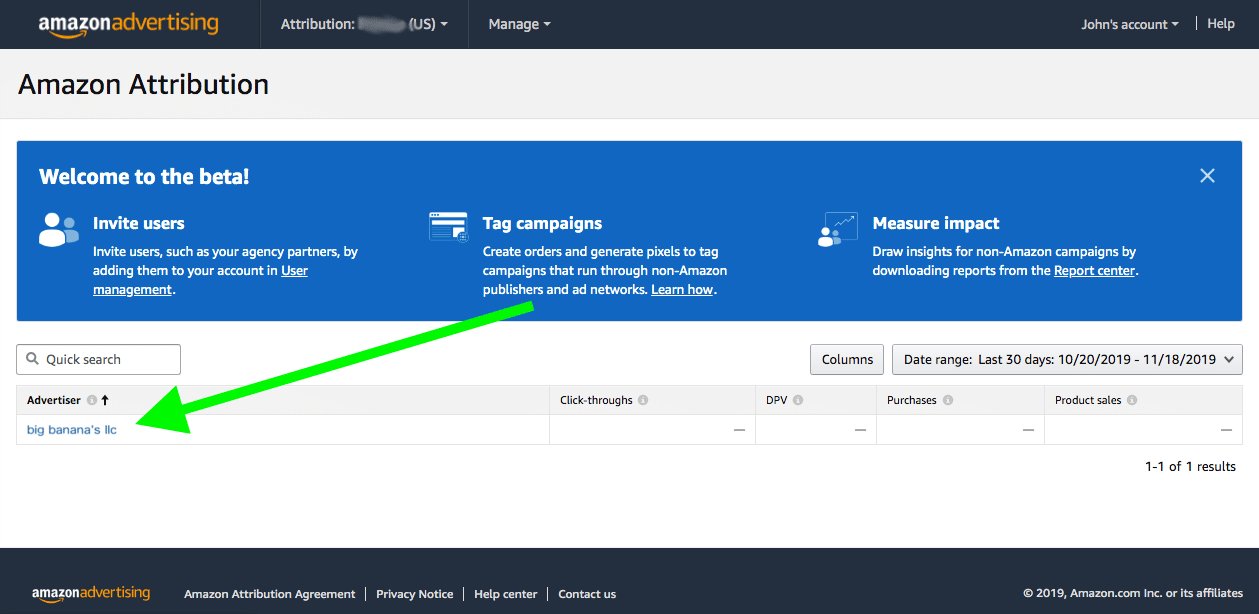
Hit the “New Order” button.
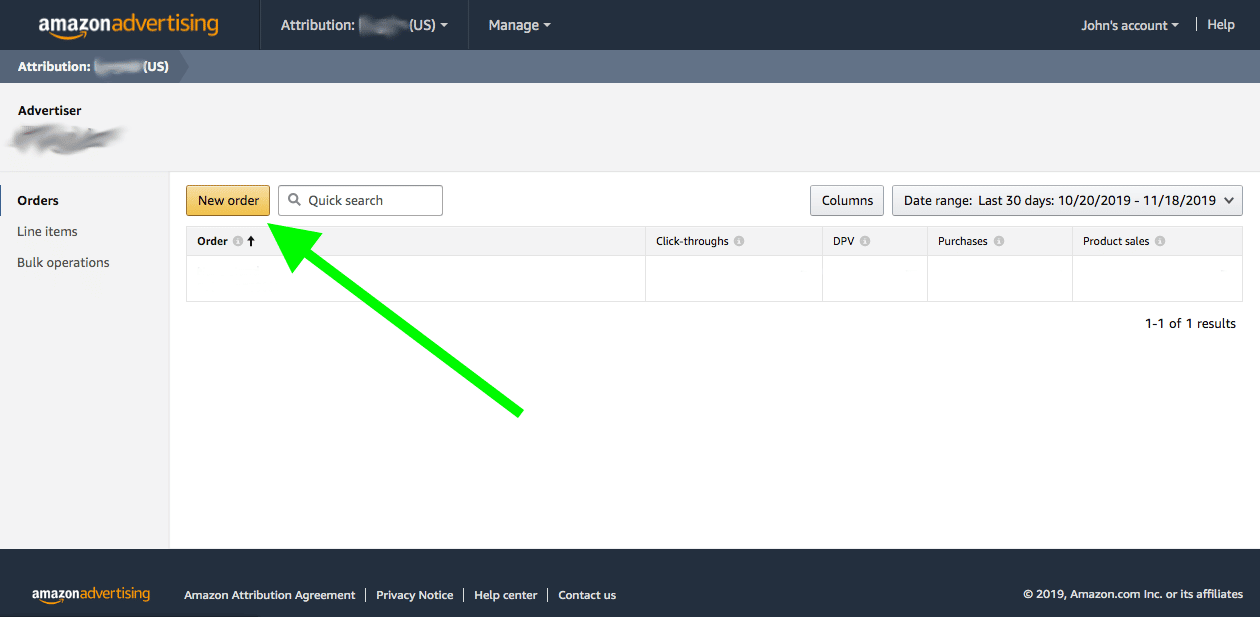
If you’re creating a link for a Google Ad, choose “Upload A File” and follow the instructions. If you’re creating a link for anywhere else, choose “Set up an order.”
Then select the product you want to link to from the list of your products below by pressing “Add” next to it.
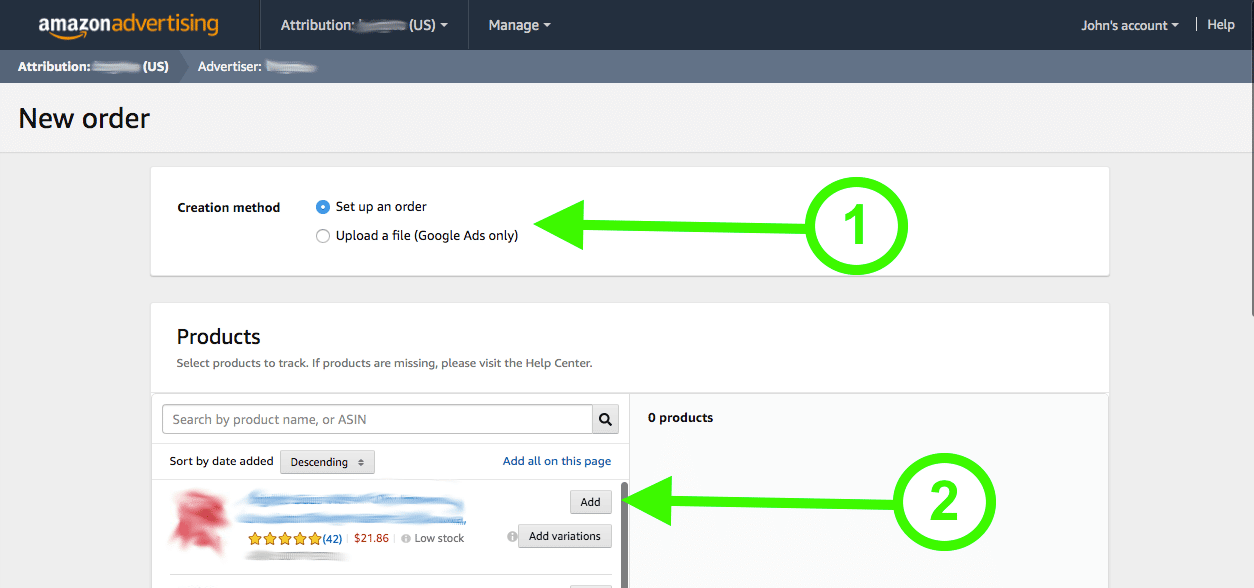
Then scroll down, give the order (Attribution Tag) a name and ID so you know exactly which one it is and hit “Continue to line items.”
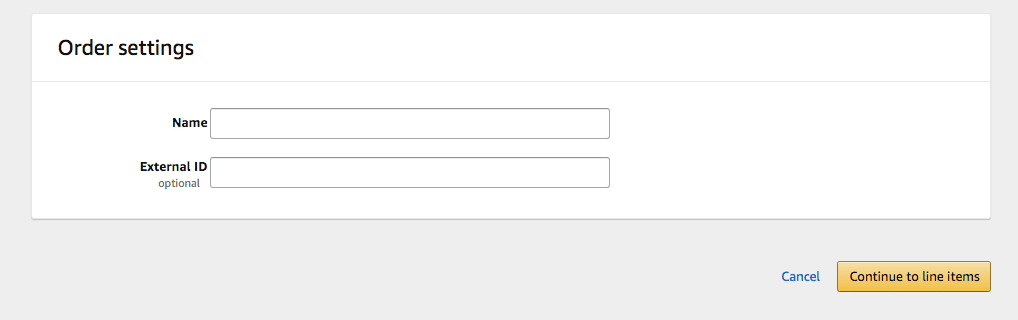
From the publisher drop-down menu, you can choose exactly where you plan to place your link. There are hundreds of options, but for this example I’m choosing Facebook.
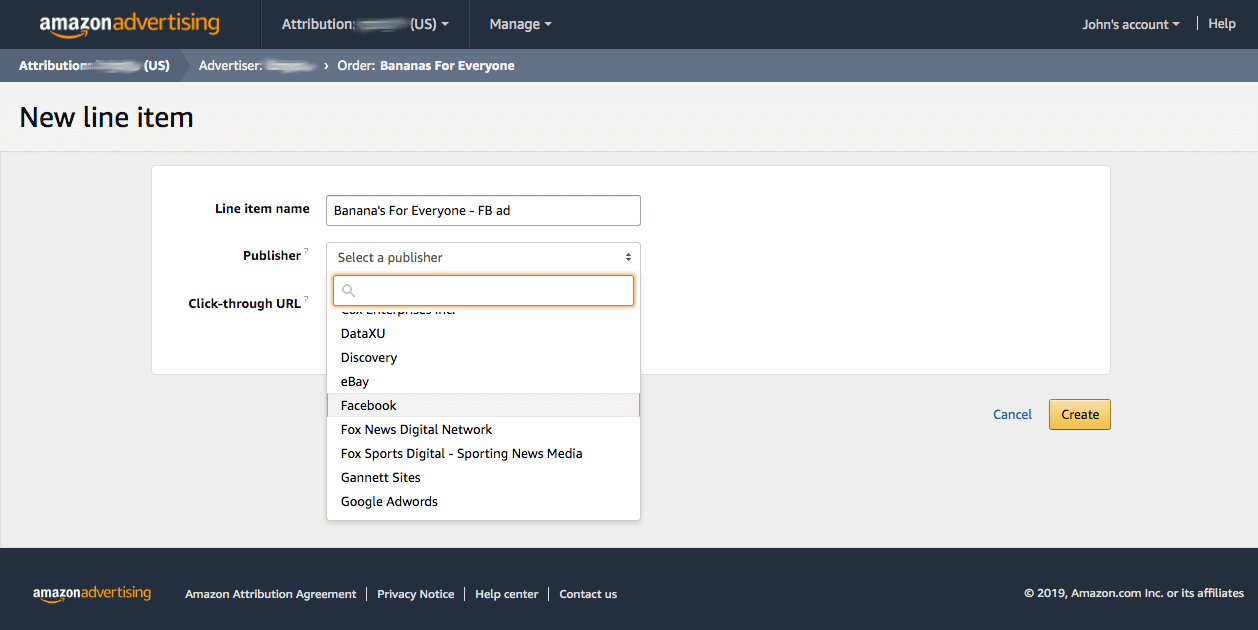
The box below the Publisher drop-down says “Click-through URL.” This is the URL of the product you want to send people to.
Go to Amazon, search for your product, click on the listing, copy the URL from your browser, paste it into the Click-through URL box and hit the yellow “Create” button.
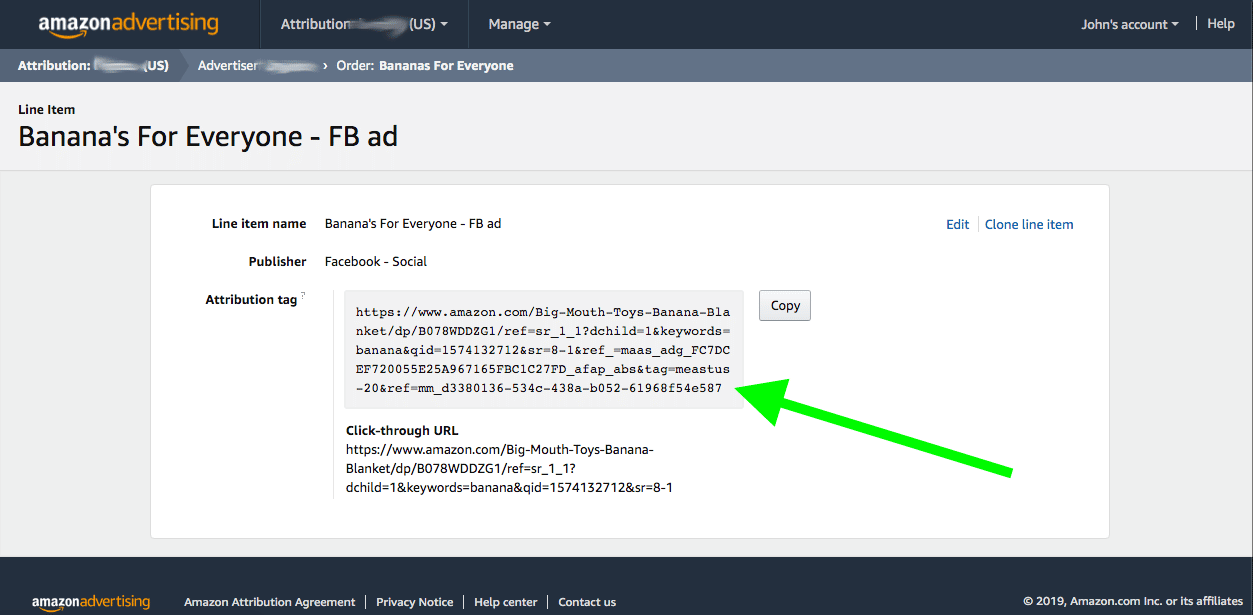
And, voila, you have now created your first Amazon Attribution tag.
Simply copy and paste that longgggg link into your Facebook ad (or whatever publisher you choose from the drop-down menu) and you’re now ready to track anyone that clicks that link.
What Metrics Does Amazon Attribution Let You Track?
Once your paid ads, blog posts, social posts, emails, etc, containing your “Attribution tags” are up and running, you’ll be able to track the following actions that people take as tracked by those tags, by campaign and by ASIN:
- Amazon Detail Page views (i.e. how many people clicked through to your listing)
- Add to Cart
- Purchases
This means you’ll know exactly which of your off-Amazon marketing efforts are driving the most people to your listing, which of them are generating the most sales, and which are duds that are losing you money.
Hopefully you can see the huge potential that has for your Off-Amazon-To-Amazon marketing.
Rather than being left to guess, you’ll now know exactly which strategies to kill and which to scale, which channels are bearing the most fruit so you can focus your efforts on the winners, and which of your Off-Amazon marketing efforts are creating a positive ROI and which ones are emptying your bank balance.
You’ll also know exactly where customers are dropping out of your funnel, which will allow you to test each element and optimize your results.
For example, if your clickthrough rate on your ad is high but you’re not making a lot of sales then it may point to issues with your listing or your price. Both of which you can then test.
Conclusion
For the first time, you can finally track the traffic you’ve driven from off Amazon to your listing.
This data will help you measure the impact of search, social, display, email, and video media channels on your Amazon sales.
And also show you how consumers discover, research, and buy your products on Amazon.
You can then take those insights to take the guesswork out of what is and isn’t working in your off-Amazon digital marketing and optimize where necessary to increase your ROI.
Amazon Attribution
Amazon Attribution is an advertising and analytics measurement solution that gives marketers insight into how their non-Amazon marketing channels perform on Amazon.
Measure
Understand the impact of your cross-channel digital marketing activities.
Optimize
Make in-flight optimizations using on-demand advertising analytics to help maximize impact and ensure efficiency.
Learn which of your strategies maximize return on investment and drive sales to build future marketing plans.
How advertisers can use Amazon Attribution
While Amazon Advertising helps drive consideration for your brand and products across multiple touch points, we know there are a number of non-Amazon channels that also play key roles in the shopping journey. With Amazon Attribution measurement, you can gain visibility into how these non-Amazon touch points help customers discover and consider your products on Amazon. Using these advertising analytics and insights, you can optimize and plan your digital strategy based on what you know resonates with your customers and drives value for your brand on Amazon.
Understand which non-Amazon strategies are helping you reach your goals.
Access full-funnel advertising analytics with metrics including clicks, detail page views, Add to Carts, and sales.
Discover new sales opportunities by learning more about how shoppers engage with your brand on Amazon.
Get insight into campaign performance in-flight with Amazon conversion metrics for your campaigns.
Grow return on investment by ensuring your marketing campaigns are driving value for your brand on Amazon.
Как отследить продажи рекламы с помощью Amazon Attribution

Amazon Attribution обеспечивает доступ по запросу к отчетам о конверсиях и позволяет рекламодателям лучше понять, как клиенты ведут себя не только на сайте, но и в рекламных носителях, не относящихся к Amazon, таких как поисковая реклама, социальная реклама, медийная реклама и электронный маркетинг. . Проще говоря, это удивительный инструмент, который упрощает работу рекламодателя — бесплатно.
Как это возможно?
Читай дальше что бы узнать.
Что такое атрибуция Amazon?
Прошли те времена, когда продажи на Amazon ограничивались перечислением товаров и надеждой на лучшее. Со временем наступают перемены, и, как обычно, технология не теряет возможности быть в авангарде передовых технологий и ресурсов для оптимизации своих инструментов и запуска новых функций.
В настоящее время Amazon Attribution доступен только для профессиональных продавцов, зарегистрированных в Amazon Brand Registry, поставщиков и агентств. Атрибуция Amazon была запущен в бета-версии в конце августа 2018 года и стремится предоставить рекламодателям лучшие данные и опыт.
Этот инструмент позволяет отслеживать социальный платный трафик и параметры по объявлениям, которые впоследствии можно конвертировать на Amazon.
Вы можете спросить: «Зачем мне отправлять внеплатформенный трафик на Amazon, а не на мой собственный сайт?
Просто. У Amazon более высокий коэффициент конверсии благодаря его выдающейся и лояльной клиентской базе. До того, как Amazon Attribution была выпущена, было нелегко определить количество покупок в Интернете.
Пиксель Attribution позволяет вам измерять влияние каналов поиска, отображения и видео, используя фактические данные о том, как покупатели ищут и находят товары, и что они в итоге покупают.
С помощью этих данных вы сможете лучше увидеть, как на ваши продажи влияют внешние каналы, и соответствующим образом оптимизировать свои кампании.
Основы атрибуции Amazon
Амазон вложил много в его новый рекламный толчокИ они хотят, чтобы мир знал, что их реклама приносит вам больше продаж, чем любой другой канал. Похоже, это ответ на то, как продавцы Amazon меняют тактику, чтобы повысить конверсию.
Продавцы Amazon пытаются опробовать сторонние каналы, поскольку конкуренция на рынке стала слишком жесткой для многих, в основном для небольших брендов. Чтобы получать хиты и продажи, вместо того, чтобы пытаться получить рейтинг на Amazon, они избегают конкуренции с другими рекламодателями и вместо этого ищут внешний трафик.
Как упоминалось ранее, этот инструмент позволяет рекламодателям получить представление о триггерах продаж с помощью всестороннего обзора различных маркетинговых стратегий и их эффективности, а также показателей конверсии.
Amazon Attribution отлично подходит для:
1. Измерение эффективности конкретного внешнего рекламного канала в продажах Amazon,
2. Использование отчетов об атрибуции по запросу для оптимизации во время полета,
3. Изучение информации об аудитории Amazon и эффективности внешних каналов для дальнейшего планирования маркетинговых стратегий.
4. Используя метрики для подробных просмотров страниц, добавьте к корзинам, продажам и покупкам, чтобы настроить стратегии.
Таким образом, не может быть никаких сомнений относительно того, какие каналы действительно приносят сплошные числа. Amazon надеется, что продавцы и рекламодатели будут поощрять возвращение и продолжение рекламы на платформе Amazon и продажу через Amazon, а не по другим каналам, таким как независимый сайт, или социальные медиа.
Примеры использования атрибутов Amazon
An раннее тематическое исследование показывает потрясающий рост на 322% по сравнению с аналогичным периодом прошлого года для одного бренда, который тестировал этот инструмент в конце 2017 года. Рекламодатель Exverus Media, который управлял изучаемым брендом, отметил, что он заинтересован в тестировании Amazon Attribution из-за позиции Amazon как рынка электронной коммерции. «Возможность помочь повысить эффективность», безусловно, удалась в этом случае:
Мы были заинтересованы в Amazon Attribution из-за важности Amazon как канала электронной коммерции. Premier Protein выделил ресурсы для развития своего бизнеса на Amazon. Возможность получать показатели рентабельности инвестиций для цифровых медиа-кампаний Premier Protein выглядела как прекрасная возможность повысить эффективность. Мы рады получить больше информации из Amazon Attribution, которую мы будем использовать, чтобы решить, куда инвестировать наши медиа-бюджеты. Мы можем оправдать вложения в медиа, как никогда раньше — мы хотим начать использовать Amazon Attribution во всех медиапланах для брендов, которые продают свои продукты на Amazon! » — Джереми Лопес, медиа-супервайзер в Exverus Media

Обновления атрибутов Amazon
Расширенная доступность
В 2019 году Amazon Attribution была представлена - в ограниченном количестве — поставщикам в Великобритании. Теперь поставщики из США и Великобритании могут подписаться на доступ через https://advertising.amazon.com/amazon-attribution заполнив это регистрационная форма.
Измерение социальной рекламы
Это решение на основе кликов, которое позволяет брендам:
- оцените влияние своих рекламных кампаний в социальных сетях на основе того, как потребители находят, исследуют и покупают свои продукты на Amazon.
- проводить анализ влияния покупок на средства поиска, социальные сети, электронную почту, показ и видео.
Массовые операции для объявлений Google
Эта функция позволяет брендам автоматически генерировать до 100,000 XNUMX тегов атрибуции, загружая один файл с информацией о кампании, а затем загружая файл, содержащий все свои теги атрибуции, для упрощения внедрения. Этот процесс ограничивает время, необходимое для настройки рекламных кампаний Google.
Создатель массовых позиций атрибутов Amazon
Согласно информации Tinuiti.comЭта функция позволяет рекламодателям отслеживать данные Amazon Attribution вплоть до уровня ключевых слов.
Как зарегистрировать рекламодателей Консоль атрибуции Amazon
- Войдите в свой аккаунт продавца Central.
- Посетите sellercentral.amazon.com/attribution.
- Нажмите «Зарегистрироваться».
- Это вызовет приглашение по электронной почте на ваш счет.
- Вы получите письмо от службы поддержки DSP. Если вы не получили письмо, проверьте папку со спамом или повторно отправьте свое приглашение.
- Нажмите «Принять приглашение и войти», чтобы войти в консоль Amazon Attribution.
- Если вы хотите пригласить дополнительных партнеров бренда и агентства, которые помогут вам в создании кампаний и анализе отчетов, перейдите на страницу «Управление пользователями» в разделе «Управление на верхней панели навигации».
Как начать работу с Amazon Attribution
После того, как вы вошли в систему продавца Central и зарегистрировались, выполните следующие действия:
- Войти в систему.
- Добавьте продукты, которые вы хотите использовать для измерения конверсий.
- Создайте теги для каждой из ваших маркетинговых стратегий.
- Внедрите теги в свои поисковые объявления, социальные объявления, медийные объявления, видеообъявления и электронный маркетинг.
Использование Amazon Attribution
Настройка
Для отслеживания видео и отображения необходимо добавить пиксель атрибуции изображения 1 × 1 к событиям показов в вашем объявлении и использовать URL перенаправления кликов в качестве целевого URL. Для отслеживания поиска используйте созданный шаблон отслеживания, чтобы получить пиксели, соответствующие каждому поисковому издателю. Атрибуция начнёт отслеживание от источника до кассы Amazon.
Получение отчетов
После сбора данных вы можете получить доступ к отчетам Amazon Attribution через рекламную консоль. (Рекламодатели также могут получить доступ к отчетам Amazon Advertising Media через Amazon со стороны спроса.) Это программа на основе пользовательского интерфейса без API в бета-версии, но это может последовать после официального запуска.
Когда вы попадете в свои отчеты о продажах, вы сможете увидеть общие цифры продаж и особенности продаж, совершенных на Amazon.
Это включает конверсии по ASIN на основе вашего выбора (повышен), а также других связанных ASIN (всего).
Преимущества Amazon Attribution
Самое лучшее в Amazon Attribution для продавцов — это возможность сравнивать эффективность листинга Amazon и страницы продукта в их независимом магазине. С этими данными больше не может быть сомнений в том, что генерирует больше продаж, лучше конвертирует и имеет лучшую рентабельность инвестиций.
Ключевым моментом здесь является правильная атрибуция — какой именно канал отвечает за какую продажу. Рекламные каналы всегда пытаются получить кредит за конверсии, чтобы похвастаться, что они самые лучшие, и теперь у продавцов есть инструмент, который может показать им, что на самом деле делает для них Amazon — так же, как Google с их высокоразвитой платформой Analytics.
Amazon Attribution использует стандартные пиксели показа изображений для отслеживания кликов и перенаправления для отслеживания пути от сторонней рекламы до Amazon Checkout.
Это дает вам подсчет всех продаж, совершенных и прошедших через различные медиа-каналы и кампании. Смысл этого инструмента в том, чтобы иметь возможность отслеживать рекламу, которая происходит за пределами Amazon, но заканчивается продажей на Amazon.
Метрики конверсии, проанализированные Amazon Attribution (AI)
Эти показатели, доступные в справочном центре бета-тестирования Amazon Attribution, помогут вам понять:
Добавить в корзину (ATC) — Сколько раз продвигаемый продукт добавляется в корзину покупателя после клика по связанному объявлению.
Добавить в корзину просмотров (УВД просмотров) — Количество раз, когда продвигаемый продукт добавляется в корзину покупателя после просмотра связанной рекламы.
Нажмите перенаправить — URL-адрес перенаправления, который клиенты внедряют в свои объявления для измерения переходов по ссылкам и атрибуции конверсий и продаж их продуктов на Amazon.
Клик через цель — Определяет, где креатив ссылается на клик.
Click-Through Rate — Число переходов по ссылкам относительно числа показов.
Совокупный охват — Количество уникальных пользователей, увидевших рекламу с начала кампании.
Подробные просмотры страниц — клики (клики DPV) — Количество просмотров подробных страниц рекламируемого продукта на Amazon после клика по связанному объявлению.
Подробный просмотр страницы — рейтинг (DPVR) -Количество подробных просмотров страниц относительно количества показов.
Просмотры страниц сведений — просмотры (просмотры DPV) — Количество просмотров страниц с описанием продвигаемого продукта на Amazon после просмотра связанной рекламы.
Пиксель впечатления — Клиенты с кодом изображения 1 × 1 могут использовать в своих объявлениях для измерения показов и атрибуции конверсий и продаж своих товаров на Amazon.
(Кампания) Впечатления — Количество показов рекламы.
Метрики конверсии, проанализированные Amazon Attribution (LT)
Позиция — Формат рекламы, средства массовой информации, бюджет, период времени, таргетинг и настройки платы, используемые для распространения рекламы.
Тотальная распродажа — Общий объем продаж (в местной валюте) продвигаемых ASIN и ASIN от тех же брендов, что и продвигаемые ASIN, приобретенные клиентами на Amazon после щелчка по соответствующей рекламе.
Курс покупки — Количество покупок относительно количества показов.
Покупка кликов — Сколько раз любое количество продвигаемого продукта или продуктов было включено в событие покупки после щелчка по соответствующему объявлению.
Покупки просмотров — Количество покупок связано с показами рекламы.
Клики по общему количеству покупок — Количество покупок рекламируемых и фирменных продуктов с ореолом после клика по связанной рекламе на каждый измеренный клик. Например, общий коэффициент кликов, равный 0.4, будет означать, что каждый клик, измеренный по вашим объявлениям, в среднем соответствует 0.4 покупкам продвигаемых товаров или фирменных ореолов.
Всего Добавить в корзину — Количество добавляемых в корзину продвигаемых и брендовых товаров по отношению к количеству показов после просмотра или клика по связанному объявлению.
Всего Добавить в корзину рейтинг кликов — Количество добавленных в корзину продвигаемых и фирменных продуктов с ореолом после клика по связанной рекламе на каждый измеренный клик. Например, общее число кликов ATCR, равное 1.25, будет означать, что каждый клик, измеренный по вашим объявлениям, в среднем соответствует 1.25 продвигаемым или добавленным в корзину ореолом бренда.
Для получения дополнительной метрики нажмите здесь (требуется регистрация).
Заключительные мысли
Дьявол кроется в деталях, как они говорят, и детали, которые может предоставить Amazon Attribution, являются важным фактором в определении лучших маркетинговых каналов и стратегий для конкретного бренда.
В общих чертах, Amazon Attribution поможет вам быстро увеличить ваши продажи, охватывая клиентов за пределами Amazon и перенаправляя их на страницу сведений о продуктах Amazon или в ваш магазин.
Кроме того, вы сможете точно определить свой коэффициент конверсии, зная, с каких внешних каналов ваши клиенты переходят на вашу страницу Amazon. Это отлично подходит для планирования новых и более эффективных рекламных кампаний.
Ориентация на потенциальных клиентов и измерение их поведения по каналам — это роскошь, которую вы не можете пропустить.
И хотя это еще не подтверждено, отправка внешнего трафика в Amazon может привести к завоеванию привилегированного положения, что означает большую прозрачность и, в лучшем случае, выигрыш столь желанного Купить коробку.
В конце концов, оптимизация — это ключ к конверсии, а доступ к подробным тенденциям — единственный способ действительно оптимизировать любую рекламную кампанию.
Похожие публикации:
- Какие форматы поддерживает amazon kindle
- Когда в анжеро судженск откроют эльдорадо
- Когда самые большие скидки на бытовую технику в эльдорадо
- Кто основатель амазона